
Family Shifts, Gender & Sensitive Realities
The Lying Trap: Why Punishing Lies Produces Better Liars (and What Actually Works)
Small lies, big cover-ups, lies about nothing — and the awful realisation that your interrogations are training a more sophisticated deceiver.
Dignity & Non-Humiliation
The fierce adolescent biological impulse to protect self-respect, autonomy, and mature status.
The Gotcha Ambush
Secret evidence plus theatrical confrontation teaches courtroom survival: better lies, camera checks, zero confessions.
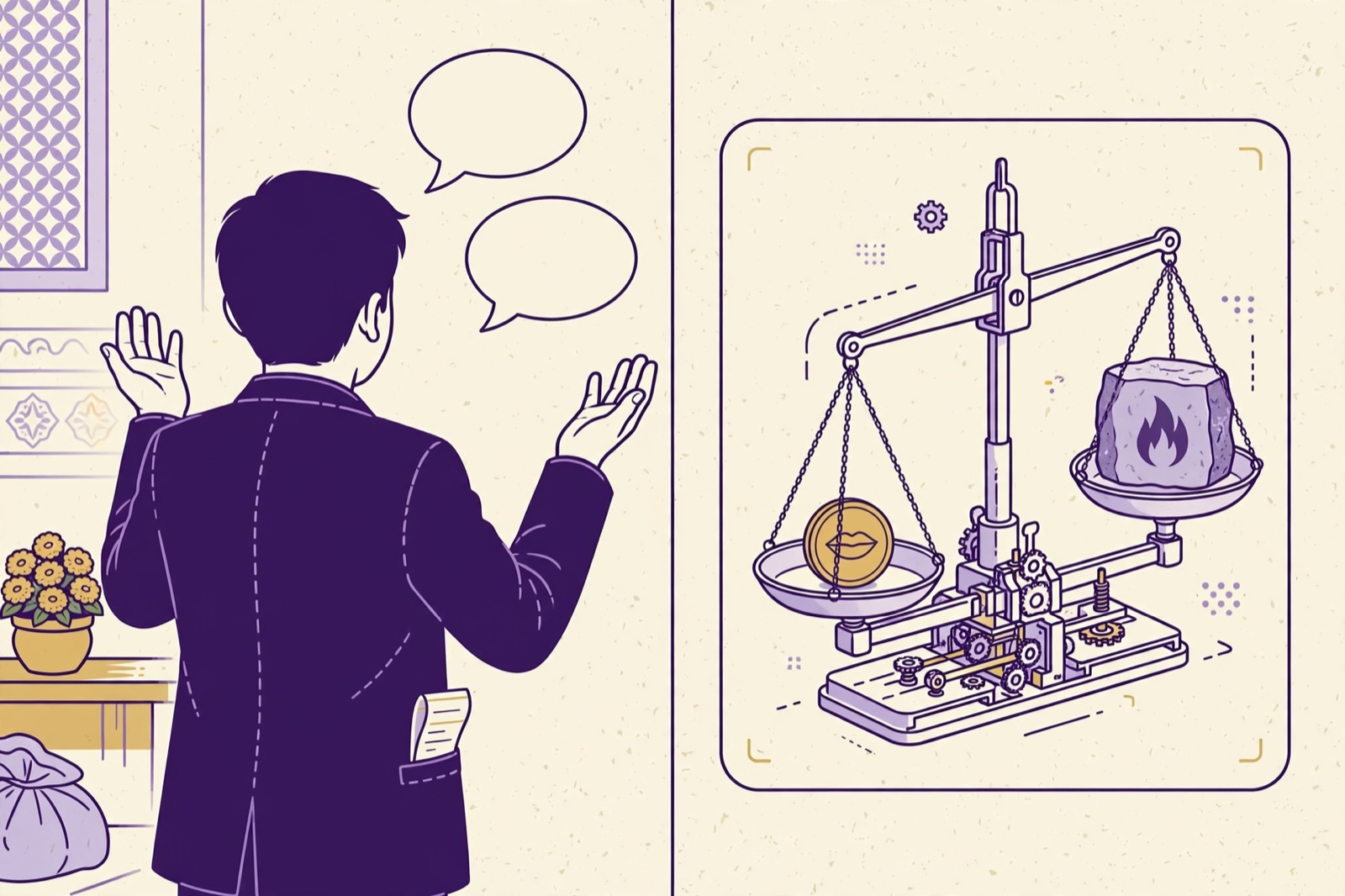
"Truth you bring me costs half or nothing. Truth I discover costs full. That's physics now."
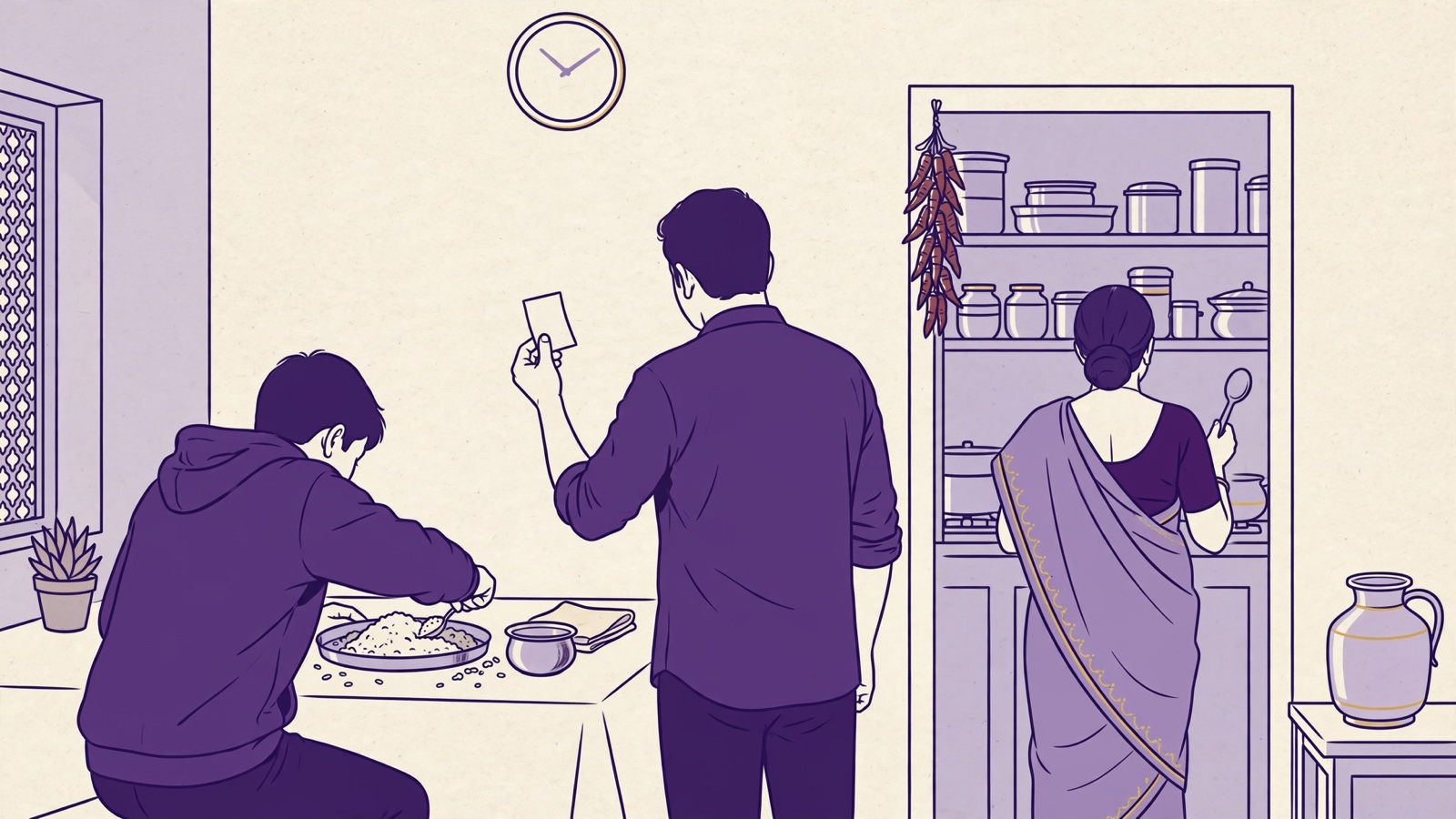
"The tuition teacher calls: he hasn't come for three weeks. Fees paid, attendance zero."
"At dinner you ask, casual as you can: 'How was tuition today?' — 'Fine. Same stuff.' Eye contact steady. Three weeks of delivered lies in a calm voice, and something cold runs down your spine that has nothing to do with tuition."
"That night you lie awake asking the question every parent of a lying teen asks: if he lies about THIS so smoothly, what else is fiction? And the worse question underneath: did we teach him that truth isn't safe here?"
Here's the uncomfortable starting point: children lie in direct proportion to how unsafe truth feels at home. That's not blame — it's mechanics. Every gotcha, every explosion at bad news, every disproportionate punishment for honesty trains the same lesson: truth costs more than lying. The fix isn't better lie-detection. It's making truth the cheapest option in the house — and the protocol below does exactly that.
The Behavior Decoder
Translating what you see into what their nervous system is actually experiencing
"Smooth, detailed lies about small things (tuition, homework, whereabouts)"
Small lies are load-tested prototypes. If these pass, the system works; if caught, the cost is small. I'm calibrating how much truth this house can actually handle.
"Elaborate cover stories that collapse under one question"
I built the lie for the first question, not the second. The collapse isn't stupidity — it's a brain that planned an exit, not an interrogation.
"Lies about things with no stakes (ate the last piece, finished the chapter)"
If I lie when nothing matters, it's reflex now — truth-telling muscles atrophied from disuse because truth kept costing me.
The Economics of Deception: Every Lie Is a Price Comparison
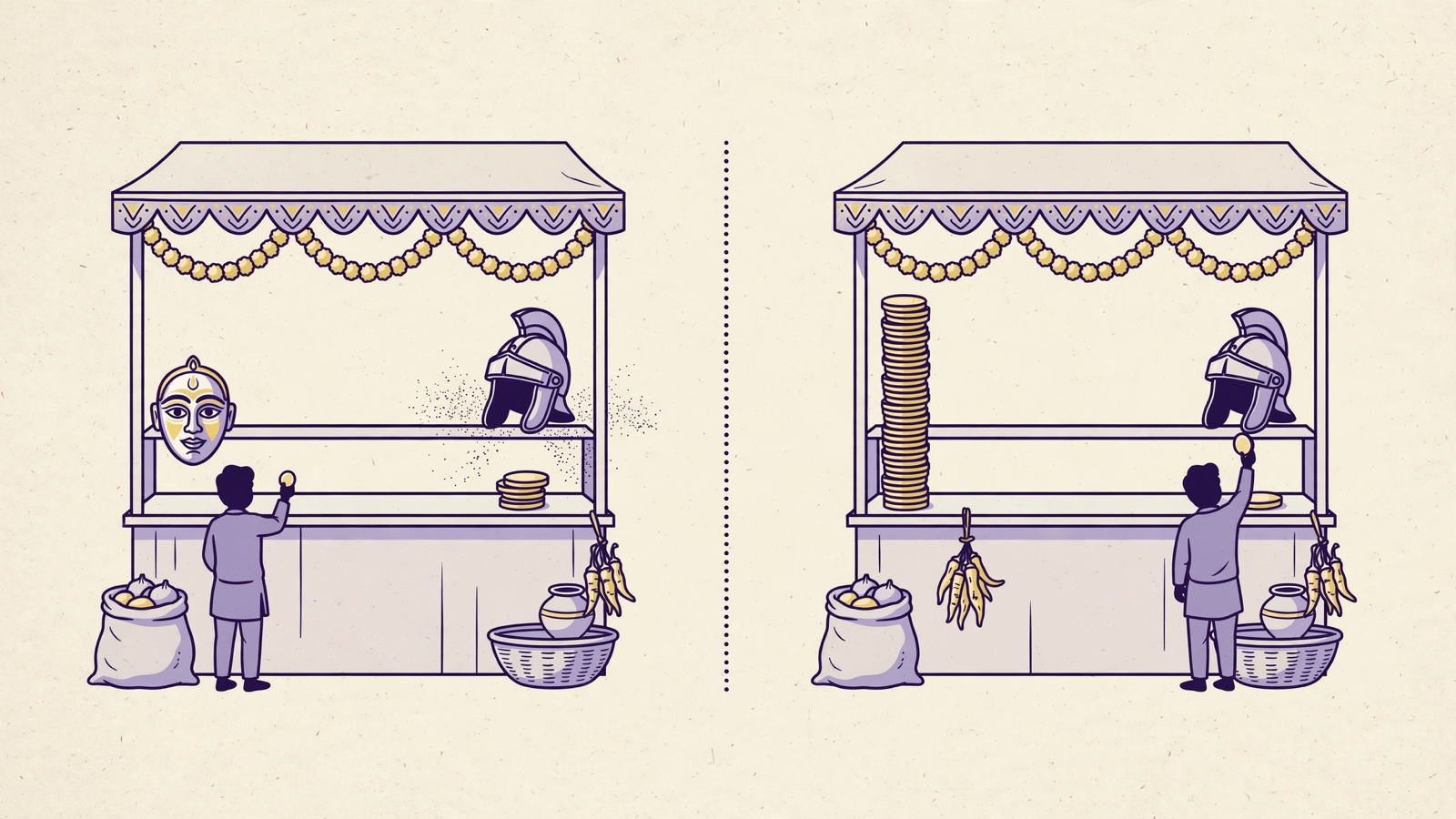
The developmental research is blunt: children in high-punishment homes lie more, earlier, and better — not because they're worse children, but because they're better economists. Each telling is a wager: expected cost of truth (parent's reaction, from history) versus expected cost of lying (probability of getting caught × punishment if caught). Explosive reactions to bad news raise the price of truth; clever-but-inconsistent detection keeps the price of lying low (most lies pass). The market therefore clears at lying — rationally. Flip the prices and behaviour flips without a single lecture: cap the cost of volunteered truth (amnesty mechanics), raise the certainty (not severity) of calm discovery, and lying becomes the expensive option. Honesty follows the incentives, as it always does.
Natural Instincts That Accidentally Make It Worse
Every caring parent falls into these traps out of love, fear, or exhaustion. Here is what happens inside their nervous system and how to shift:
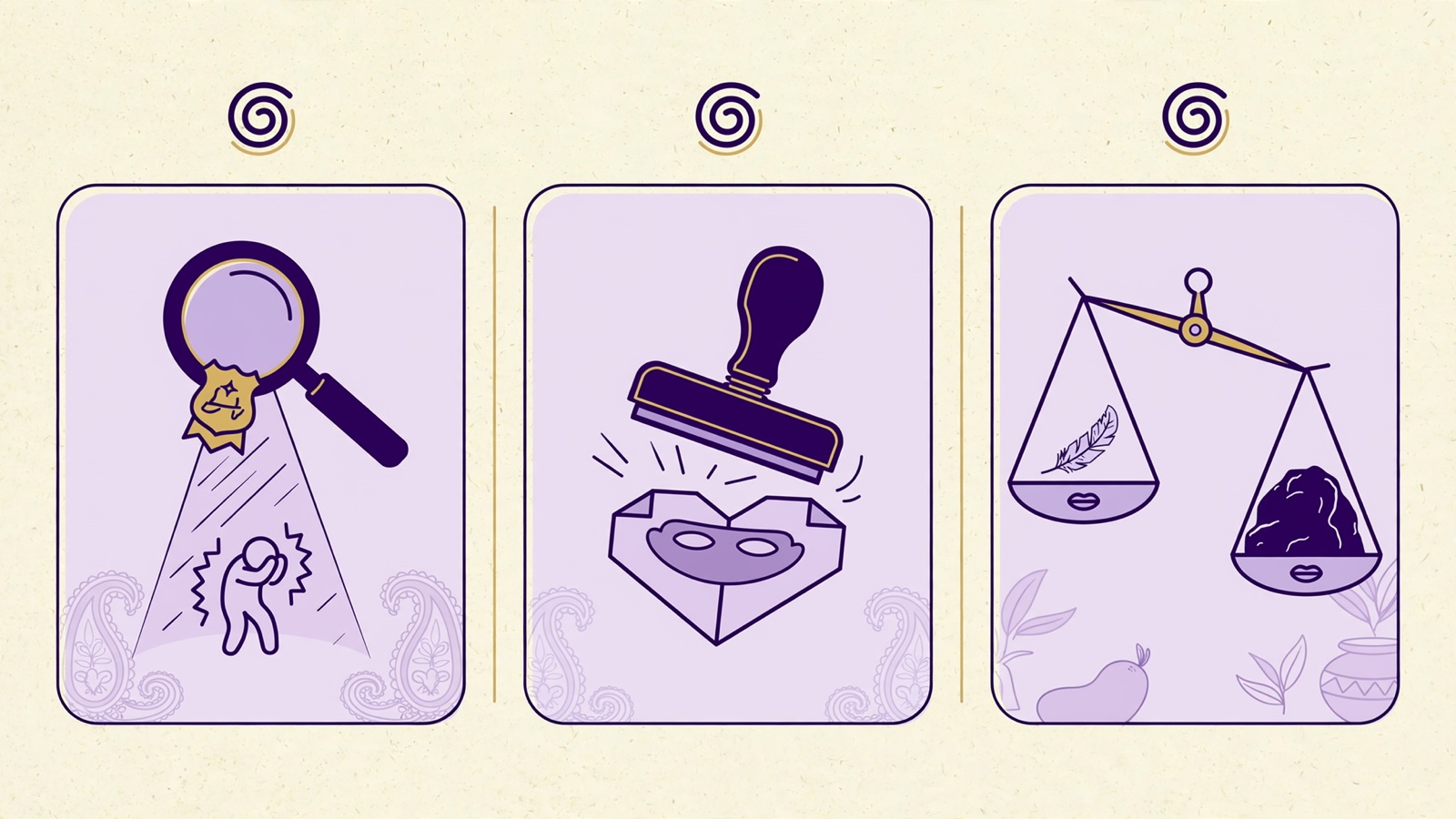
The Gotcha Ambush
Secret evidence collection, then theatrical confrontation: 'Oh really? Then explain THIS!'
Teaches that parents are prosecutors and home is a courtroom. The lesson learned is never 'tell truth' — it's 'build better lies and check for cameras.'
Lead with what you know, flatly, no theatre: 'Tuition confirms three weeks absent. Help me understand what happened.' Evidence as context, not weapon.
The Character Verdict
'Liars can't be trusted. How can I ever believe you again? You've broken something.'
Assigns a fixed identity ('liar'), which the teen then inhabits — people act consistently with the labels their parents seal on them.
Separate act from identity, always: 'You lied about this — that's a behaviour we're fixing, not a person you are. Trustworthy people sometimes lie; they fix it by telling.'
Truth Punished Equally
Same explosion whether you discover it or they confess it — honesty gets no discount.
Destroys the entire economics of confession. Why volunteer for the same price as getting caught? Rational teens stop confessing permanently.
The amnesty differential, enforced religiously: volunteered truth costs half (or nothing); discovered deception costs full. Say it, mean it, prove it the first time it's tested.
The Safety-to-Tell Protocol
Reprice truth below lying across four moves — and hold the prices steady.
Announce the Amnesty (Once, Clearly)
Make honesty the cheapest option in writing.
- The speech, calm hour: 'New house rule, permanent: truth you bring me costs half or nothing. Truth I discover costs full. I'm not negotiating this — it's physics now.'
- Write it. Fridge it. Reference it every time it's used so the pattern is visible, not just promised.
- First test is everything: when the first volunteered confession lands, honour the discount visibly even if the news is awful. That moment prices the next five years.
Replace Interrogations with Invitations
Questions that presume guilt produce lies; invitations produce truth.
- Swap 'DID you go to tuition?!' (lie-bait) for 'Tuition confirmed three weeks absent — help me understand what happened.' The known fact removes the lie's job.
- Ask open, then actually wait. Silence after an invitation is where truth walks in — filling it with threats slams the door.
- Never ask questions you already know the answers to as traps. Every trap question teaches that questions are weapons.
Consequence the Behaviour, Protect the Confession
The act still has prices; the telling never does.
- Skipped tuition still has a consequence (the 4R framework: related, respectful, reasonable, revealed) — amnesty discounts the telling, never the act entirely.
- Say both halves explicitly: 'Skipping has the auto-fee consequence as agreed — and telling me yourself just saved you the extra. That discount is permanent.'
- Track amnesty honours visibly (a tick, a mention) so the teen accumulates evidence that truth pays.
Model It Backwards (Your Turn)
The fastest honesty training is parental confession.
- Admit your mistakes out loud and early: wrong calls, lost tempers, misjudgements — narrated, owned, repaired in front of them.
- Never lie to them, about them, or in front of them (including 'tell them I'm not home' phone lies — children file every one).
- When you catch yourself mid-exaggeration, correct live: 'Actually that's not quite true — what happened was...' Live corrections teach more than lectures.
What to Say Tonight: Word-for-Word Scripts
Save these to your phone or keep them in mind for your next interaction.
"'Pause. Tuition confirms three weeks absent, so that question had only one honest answer — I asked badly. Here's the reset: tell me what happened, full version, and the telling itself costs you nothing extra. The skipping has its consequence as agreed; the lying ends the second you start talking. Your move, no rush — I'm right here.'"
Calm, seated, unhurried. Evidence stated once, flatly, then set aside.
Owns the trap-question (modelling), separates telling-price from act-price (amnesty mechanics), and removes time pressure that manufactures more lies.
"'Hold on — I think we're heading into story territory, and I'd rather have the real version because the real version is always cheaper here. Restart from the true part?'"
Light, almost collaborative. No gotcha energy.
Interrupts the lie mid-build without prosecution, invokes the house pricing explicitly, and offers a face-saving restart instead of a collapse-and-punish arc.
"(Whatever the news:) 'Thank you for bringing it yourself — that took guts and it just saved you the extra. That's the amnesty working exactly as designed. Now let's fix the actual thing together.'"
Genuine warmth first, problem-solving second.
Rewards the telling visibly and immediately (operant conditioning doing your parenting for you), separates person from problem, and converts the scariest confession into proof the system works.
Don't breed better lie-detectors; breed cheaper truth.
Calm, seated, unhurried
"Truth you bring me costs half or nothing. Truth I discover costs full. That's physics now."
The Underlying Psychological Mechanics
Why High-Punishment Homes Breed the Best Liars
This reframes the whole project: your teen's smooth lying is evidence of intelligence under pressure, not character rot. Redirect the intelligence (toward negotiation, debate, strategy games) and de-price the pressure (amnesty mechanics), and the skill set migrates on its own.
The Trust Thermometer
When Lying Signals Something Clinical
All Situations in Family Shifts, Gender & Sensitive Realities
When Teenage Sons Push Mothers Away
Why adolescent boys pull away to assert masculine independence, and how moms connect without smothering.
When the 'Daddy's Girl' Goes Silent
Why daughters pull away from their fathers during puberty, and how dads can rebuild quiet trust.
Body Insecurities & Mirror Anxiety
Secretive eating, skipping meals, mirror obsession, and comparing real bodies to curated filters.
Secret Dating, First Crushes & Phone Secrecy
Navigating first romantic attachments, late-night texting, and heartbreak without interrogation.
Teens in Controlling Peer / Dating Relationships
Losing their identity, being manipulated by partners or friends, and helping them step away safely.
Caught in a Lie (Secret Accounts & Broken Trust)
Why teens lie to avoid humiliation or protect privacy, and how to rebuild honesty without turning into police.
Vaping, Smoking & Substance Experimentation
Finding pods, smelling smoke, peer pressure, and holding immovable health boundaries without hysteria.
Self-Harm & Overwhelming Emotional Storms
Cutting, severe emotional distress, and emergency psychological first aid for terrified parents.
Being Bullied & Excluded by Peers
Cyberbullying, exclusion from group chats, school yard cruelty, and rebuilding inner safety.
Divided Households & Co-Parenting Friction
Managing conflicting rules between two homes without putting the teenager in the middle of adult resentment.
What to Do When You Find Pornography on Their Phone
Discovered screenshots, unspeakable questions — respond with calm project-management, not catastrophe.
The Hostel & College Transition Playbook
Packing lists are easy; leaving home isn't — prepare the 18-year-old and yourself for the first real goodbye.
Don't Try to Fix Everything Tonight. Just Start Here.
Parenting shifts happen in tiny, consistent micro-moments. Choose the resource that fits your immediate need:
The 4R Consequence Planner (Printable)
The amnesty rule in writing, the invitation-vs-interrogation swap sheet, and the consequence planner.
Check Your Teen's Hidden Need Profile
Answer 6 quick questions to discover the exact root driver behind your teen's specific behavior patterns.
Boundaries Without Battles
Work 1-on-1 to reset your home environment, resolve chronic conflicts, and build lasting connection.
Cross-Chapter Recommended Guides
The Sarcasm Avalanche: Mocking, Eye-Rolls, and 'Whatever' at the Dinner Table
The eye-rolls, the mutters, the impressions of your voice — sarcasm is your teen defending status, not declaring war. Learn the redirect that ends the mocking while protecting both your dignity and his.
Consequences That Teach vs Punishments That Only Sting
If your consequences need escalating every month to get the same effect, they aren't teaching — they're just hurting. The natural-consequence framework: related, respectful, reasonable, and revealed in advance.