
Explosive Anger, Defiance & Sarcasm
The Sarcasm Avalanche: Mocking, Eye-Rolls, and 'Whatever' at the Dinner Table
Why every request now gets eye-rolled, muttered at, or answered with a mocking impression of your voice — sarcasm is a status defence, not a personal insult, and this is the protocol that ends the avalanche without a war.
Dignity & Non-Humiliation
The fierce adolescent biological impulse to protect self-respect, autonomy, and mature status.
The Court-Martial Escalation
Big public reactions convert one jab into a weeks-long war with an audience and a cause.
"You don't have to like it. I'm not doing the mocking thing. Sink, then kitchen's yours."
"You've asked him — once, quietly — to take his plate to the sink."
"The eye-roll arrives with theatrical precision. Then the mutter: 'Yeah sure, Boss. Whatever you say.' He carries the plate with exaggerated slowness, and you catch him doing a tiny impression of your morning voice to no one in particular."
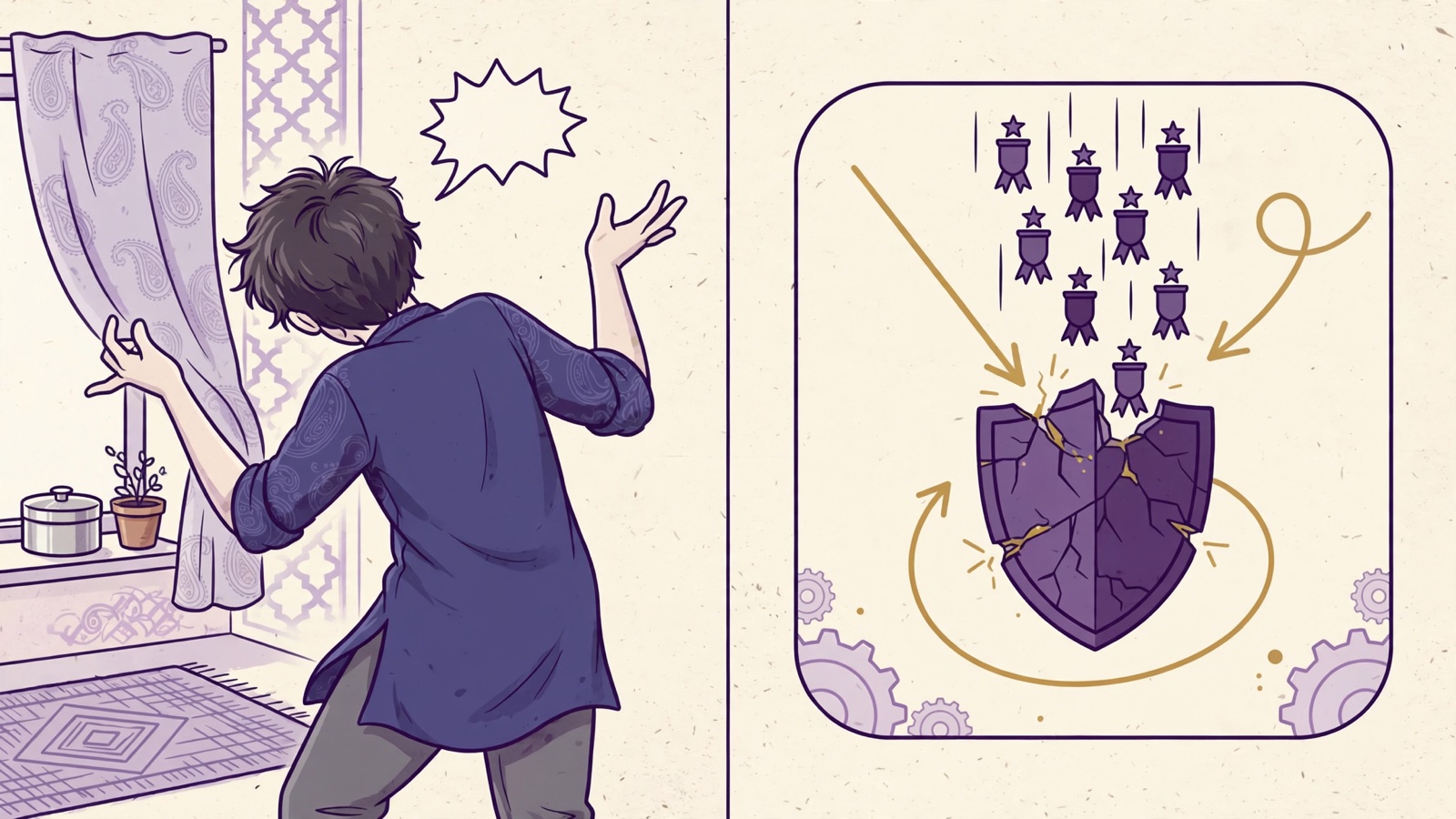
"Your face burns. Not just because of the plate — because ten years ago this same child needed help reaching the tap, and now he's performing you for laughs. Two voices start a war in your chest: how DARE he talk to me like that, and — if I explode, the whole evening detonates."
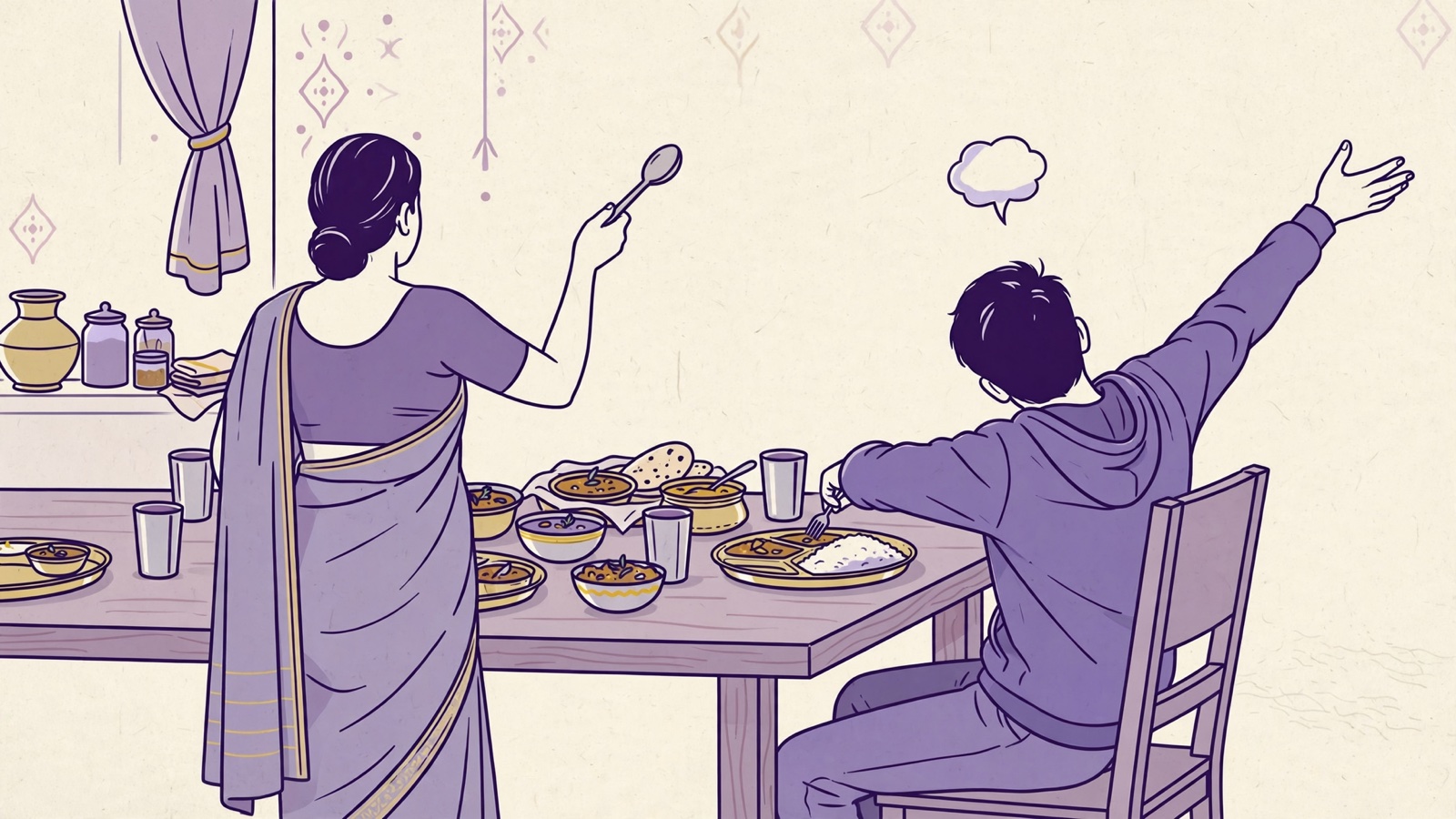
The sarcasm stings because it humiliates — and that sting is real; you're allowed to feel it. But one hard truth helps you hold your ground: mocking is how status-defending brains fight without declaring war. He is testing whether your authority can take friction without either collapsing or exploding. The next twenty minutes write the answer.
The Behavior Decoder
Translating what you see into what their nervous system is actually experiencing
"Eye-roll plus 'Boss' mutters at a simple request"
If I obey a command like a subordinate, I prove I'm still a managed child. The jab lets me comply — in my own way — without surrendering status.
"Does a mocking impression of the way you lecture, to entertain the cousins at dinner"
If the family laughs at your voice, your authority becomes optional rather than absolute. Being funny is status; obedience is just obedience.
"'Ugh, FINE. It's done.' (Done correctly, delivered like poison)"
I did the thing you wanted. I'm allowed to be irritated at being ordered around — my tone is my last free territory.
Status Defence, Not Rebellion: Why Mocking Beats Shouting
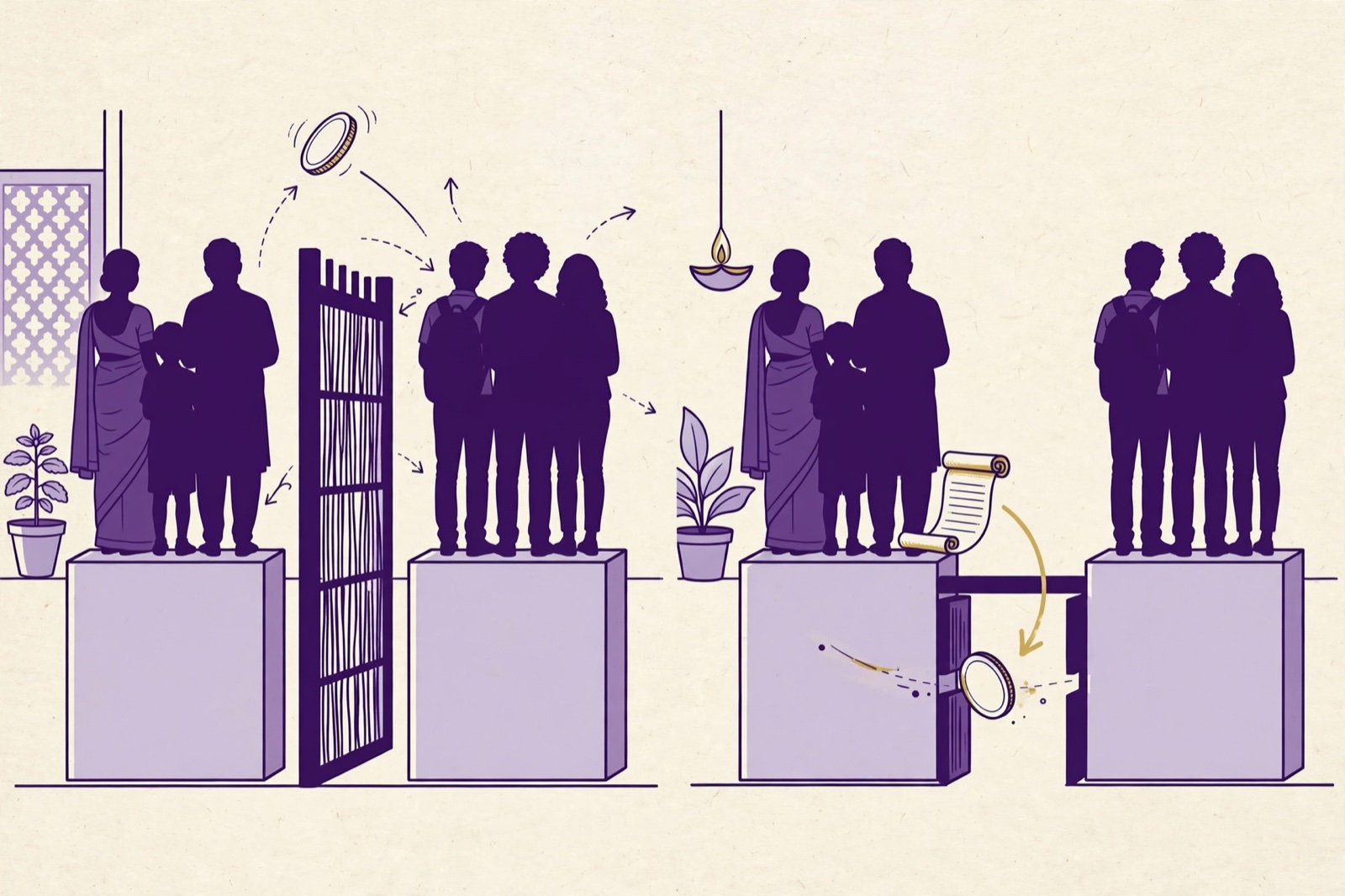
The adolescent brain recalibrates social worth around peer-visible status, and the family table is now auditioned against that standard. Sarcasm is the ideal weapon in this economy: it lands a status blow, entertains an audience, and retreats behind 'I was just joking' if challenged — every door left open, zero commitment. Open defiance is expensive; mockery is cheap. A parent who answers with humiliation is biologically confirming that status attacks pay well. A parent who stays unmovable — flat economy, dry boundary, no audience — collapses the payoff and re-teaches the frame: you may push back on rules; you may not degrade people.
Natural Instincts That Accidentally Make It Worse
Every caring parent falls into these traps out of love, fear, or exhaustion. Here is what happens inside their nervous system and how to shift:
The Court-Martial Escalation
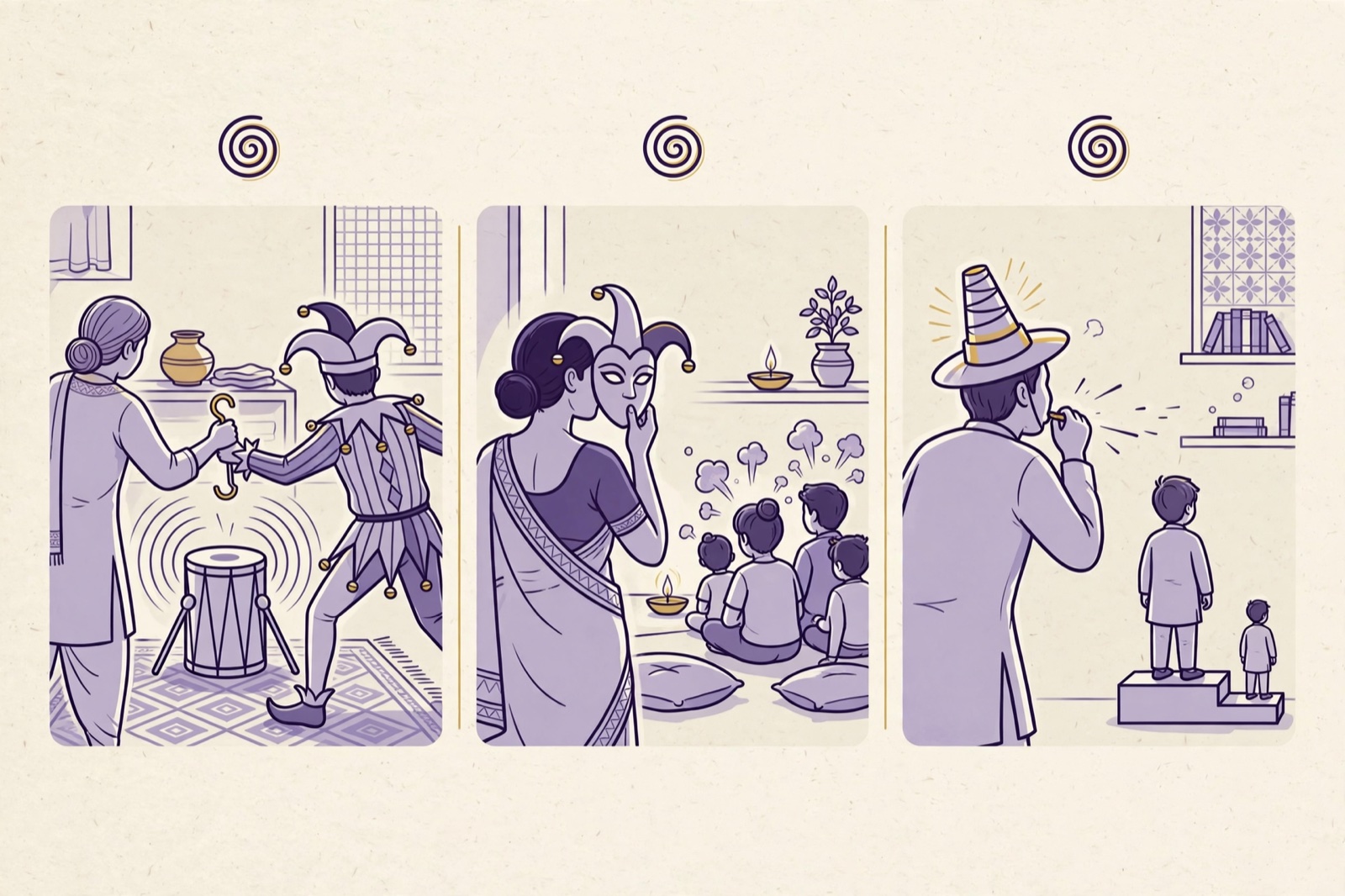
'How DARE you talk to me like that? Apologise to your mother immediately!'
Converts a freelance jab into a formal war. He now has an audience, a cause, and proof that your authority is fragile enough to provoke. The war runs for weeks, not minutes.
Treat the jab as noise, not an event: one flat line — 'Not doing the mocking thing. Kitchen's yours after dinner' — then move on without waiting for a victory.
The Public Humiliation Counter
Match him in front of witnesses: expose his grades, his room, his failures to whoever laughed.
You confirm the arena is status combat and you are a combatant in it. From now on he defends his rank with everything he has, and every dinner becomes litigation.
Never counter-mock in public. If the audience is fuel, remove the audience — the real conversation happens one-to-one, door closed, that evening.
The 24-Hour Tone Police
Fighting every 'whatever', every sigh, every eye-roll, all day, every day.
Makes correction so constant that even genuine compliance gets audited. He learns tone-wars are nightly entertainment and nothing he does meets the bar — so he stops offering anything.
Ban first: mocking and personal jabs, always. Tone preference: banked for the big moments. When compliance is correct but annoyed, accept it and say nothing.
The Status-Preserving Redirect Protocol
Four moves that lower the payoff of mockery while keeping every person's dignity intact — yours included.
Strip the Arena, Not the Argument
Mockery feeds on an audience; the redirect needs none.
- In the moment: flat, brief, unimpressed — 'Not doing the mocking thing.' No lecture, no raised voice, no waiting for a concession.
- Then continue business as usual. The mundane continuation is the power move: the jab bought nothing and changed nothing.
- If the audience laugh track matters to him, plan the real conversation privately the same day — one parent, one teen, side-by-side setting.
Name Impact, Not Insult (The Private Repair Talk)
Hours later, name what the mockery did — without prosecution.
- Script the opening: 'While you're fine, listen: the 'Boss' bit this afternoon? That stung. I'm a person, not a punching bag. I want to hear your side of it.'
- Expect deflection ('it was just a joke'). Hold the line calmly: 'Funny for the room. Expensive for me. That's the part we're talking about.'
- Do not demand a scripted apology. Ask instead: 'How would you redo that moment?' — the redo is the repair.
Set the Language Contract (Disagree: Yes. Mock: No.)
Give pushback a legal channel so sarcasm becomes unnecessary.
- State the standing rule once, plainly: 'You can hate a rule, argue a rule, re-negotiate a rule — loudly if you want. Mocking the person is the one move we don't do.'
- Model it yourself: no sarcasm aimed at him, no 'oh great, another genius moment' from you. The contract binds both directions.
- When he argues a rule properly — even hotly — treat it as gold and engage. Channel exists, so the illegal channel starves.
Pay Status Honestly (Real Stakes, Real Applause)
A teen with legitimate status has little need to counterfeit it.
- Hand over genuine authority: he owns one real decision (his study schedule format, one weekly menu slot, managing his own pocket money).
- Catch respectful moments out loud — without over-praising: 'That was a grown way to say that. Noted.' One line, then move on.
- Audit your own voice weekly: how many of your sentences to him are still instructions? Rebalance (listen:input) or the jab returns.
What to Say Tonight: Word-for-Word Scripts
Save these to your phone or keep them in mind for your next interaction.
"'You don't have to like it. I'm not doing the mocking thing. Plate to the sink, and you've the kitchen after dinner.' Then turn back to whatever you were doing."
Flat, brief, unimpressed. No sarcasm, no raised volume, no waiting for a reaction.
Denies the jab its payoff and its audience in one breath, and proves your authority doesn't need to be defended out loud to stay real.
"'Comedy noted. And we'll leave that discussion for later — enjoy dinner with everyone.' Privately, an hour later: 'The impression at dinner bought laughs, and it cost me. I'm a person, not a bit. How would you redo that scene?'"
Public: light, one sentence. Private: seated side-by-side, calm and weighted.
Withdraws from the public arena (no war), then privately names real impact without prosecution — the teenager is still asked to grow, but through a redo, not grovelling.
"Nothing. Accept it with a nod and continue your evening."
Relaxed shoulders; deliberately zero commentary.
Tone-first battles tag every interaction as litigation and dry up willing compliance. Saving correction for the hard line keeps it meaningful — and keeps 'fine, it's done' flowing.
Collapse the payoff of mockery with flat economy — never with matching humiliation.
Flat, brief, unimpressed
"You don't have to like it. I'm not doing the mocking thing. Sink, then kitchen's yours."
The Underlying Psychological Mechanics
Why Sarcasm Replaces defiance (And Why That's Good News)
Sarcasm is also the honest face of a status economy shift. Puberty rewires social value around what peers can see: rank, wit, coolness under fire. When family requests land as commands, the cheapest status move available at home is the jab — low risk, instantly entertaining, fully deniable ('chill, it was a joke').
That's why courts-martial backfire biologically, not just emotionally: the bigger your explosion, the bigger the payoff his nervous system records for tomorrow. The redirect only works in the bored register — which is uncomfortable advice, because humiliation feels like the respectful response to being humiliated. It isn't; it's the reward schedule speaking.
The Repair Version of Respect
The durable alternative is a contract: disagreement stays legal, loud, and directed at rules; degradation of the person is the single off-limits move. Teens thrive surprisingly fast under that line — because it protects them too. There is no contract from your side to mock him either. Two-directional dignity is what makes the rule feel like fairness instead of rank.
When It's Not Just Sarcasm
All Situations in Explosive Anger, Defiance & Sarcasm
The Sudden Detonation (Explosive Shouting & Slams)
0 to 100 in 3 seconds: When a simple household request detonates into screaming, wall-punching, or slammed doors.
Sarcasm, Mocking & Eye-Rolling
Sneering comments, muttering under their breath, and challenging parental authority with contempt.
Swearing & Verbal Boundary Violations
What to do when foul language, insults, and name-calling enter family disagreements.
The 'That's Not My Job' Standoff
Treating home like a free hotel, refusing chores, and leaving messes for parents to clean up.
Don't Try to Fix Everything Tonight. Just Start Here.
Parenting shifts happen in tiny, consistent micro-moments. Choose the resource that fits your immediate need:
After the Jab: The Repair Script for Parents
Pocket-sized verbatim repair phrases to rebuild authority and connection after mockery — without grovelling or lectures.
Check Your Teen's Autonomy Driver Score
Answer 6 quick questions to discover the exact root driver behind your teen's specific behavior patterns.
Boundaries Without Battles
Work 1-on-1 to reset your home environment, resolve chronic conflicts, and build lasting connection.
Cross-Chapter Recommended Guides
The Defiant Teen: De-escalating Explosive Arguments Without Power Struggles
When your teenager detonates over simple household requests, engaging in a screaming match guarantees defeat. Discover the Autonomy driver, the Drop-the-Rope technique, and verbatim de-escalation scripts.
Connect Before You Direct: The Golden Rule of Adolescent Cooperation
Commands without connection feel like threats to an adolescent's developing autonomy. Discover the 2-minute rapport protocol that ends morning screaming matches and evening homework battles.