
Family Shifts, Gender & Sensitive Realities
When You Find the Marks: A Parent's First 48 Hours After Discovering Self-Harm
Fresh cuts, hidden blades, long sleeves in May — and the terror that you're already too late. You are not. The calm, exact protocol for the first two days and the months after.
Unconditional Regard
The fear that parental warmth, respect, and love are conditional on academic or behavioral performance.
The Panic Detonation
Screaming, relatives, ER theatrics confirm her exact fear — and the behaviour goes permanently underground.
"I love you, I'm not angry, nothing about how I see you has changed. Help this week — promised."
"Laundry day. Sleeve rides up as you fold — and there they are: thin parallel lines, some fresh, some silvered with age. Your hands go cold before your mind catches up."
"The first hour is pure animal panic: Is this suicide? How long? What did we miss? You stand in the kitchen holding the shirt like evidence, rehearsing confrontations that range from screaming to collapsing."
"She walks in, sees your face, sees the shirt — and her expression does something that will stay with you: not guilt. Terror. She's not afraid of being caught. She's afraid of what you'll become now that you know."
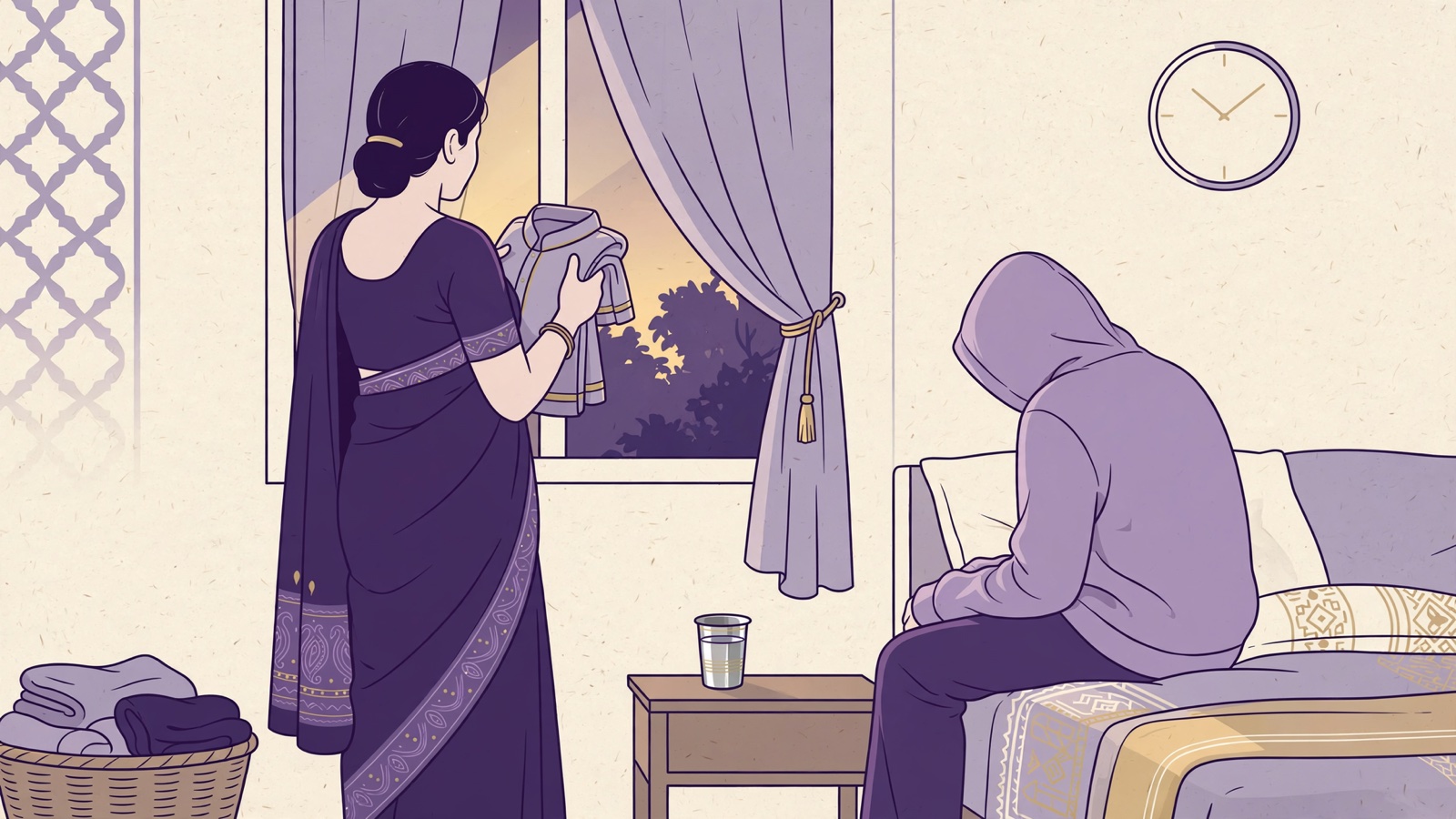
Breathe. What you found is serious and it is survivable — most teen self-harm is emotion regulation, not suicide intent, and discovery handled well is the single best predictor of recovery. Her terror isn't guilt about the marks; it's fear that telling you will detonate the family. Your job in the next 48 hours is one thing only: prove that knowing makes you safer, not scarier.
- Any talk of ending life, giving things away, saying goodbye, researching methods, or stockpiling means/tablets: treat as urgent — same-day psychiatrist or emergency care, staying with her until help is in place.
- Remove or lock means calmly and collaboratively where possible (medicines, sharp objects, ropes, balconies) — frame as 'while we get help', never as punishment.
- You don't need certainty to act — ambiguity IS the trigger for professional help. When in doubt, go now; a false alarm costs a day, a missed crisis costs everything.
14416 — 24x7, free
9152987821 — Mon–Sat, 10 AM–8 PM
1800-599-0019 — 24x7, free
This guide is educational, not diagnosis or treatment. If you believe your teen is in immediate danger, contact professional help now — don't wait for the playbook.
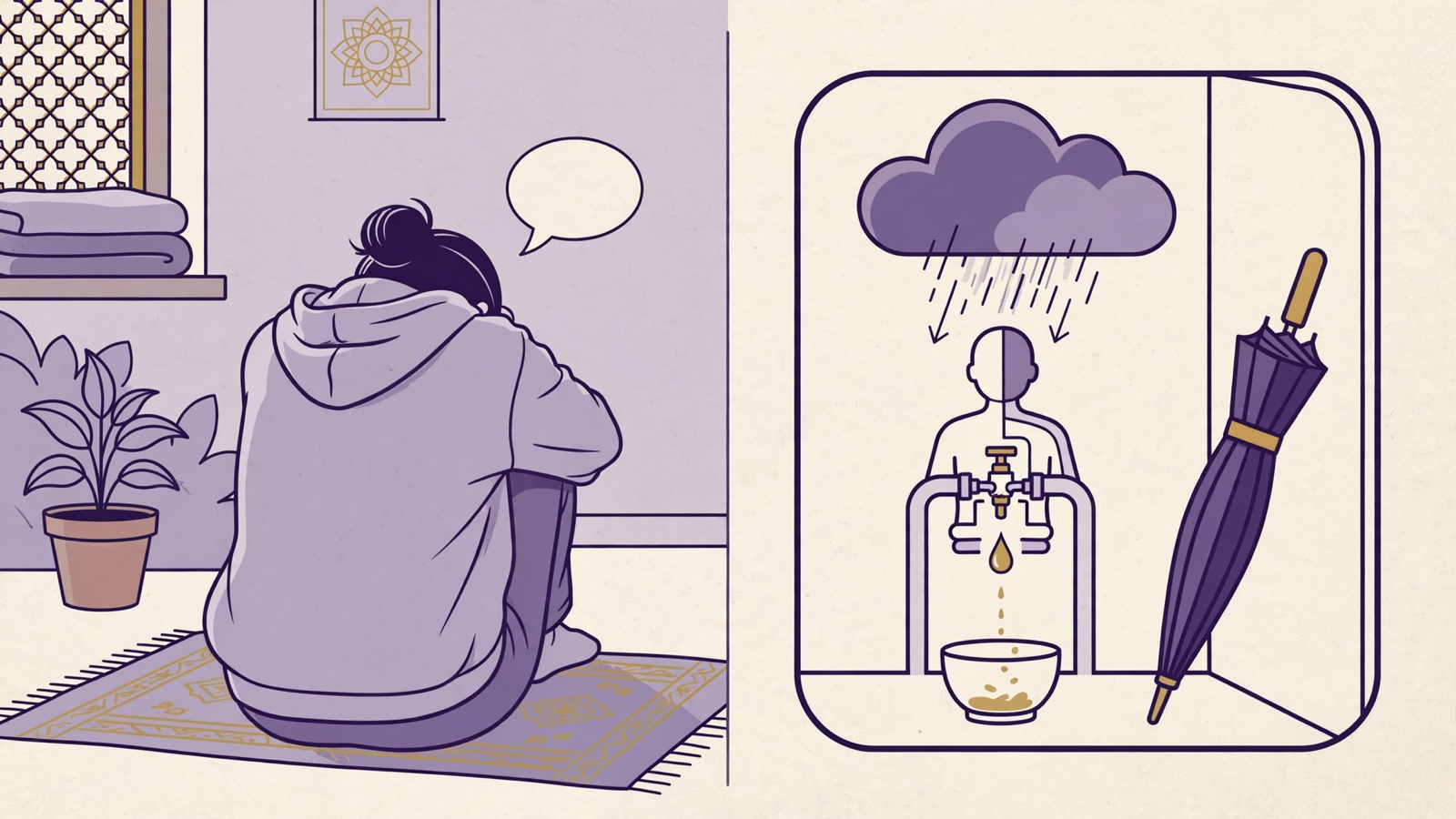
The Behavior Decoder
Translating what you see into what their nervous system is actually experiencing
"'It's nothing. I'm fine. Don't make it a big thing.' (Flat, controlled, watching your face)"
If this becomes A Big Thing, I'll lose the one coping tool that works and gain surveillance, panic, and hospital threats. Minimising is survival.
"Rage or shutdown when asked about it: 'Stop asking! It's my body!'"
The marks are the visible part of pain I can't say out loud. Questions feel like demands to translate the untranslatable — on the spot, to the people whose reactions scare me most.
"'I don't know why I do it. I just feel better after.'"
This is the honest clinical truth: self-harm regulates unbearable affect fast. The relief is real, physiological, and the reason willpower lectures can't touch it.
Why Pain Regulates: The Affect-Reset Mechanism
Self-harm works — that's the terrible, essential fact. Physical pain triggers endogenous opioid release and forces attentional narrowing: the overwhelming emotional storm collapses into one manageable physical locus. For a teen drowning in diffuse, unnameable distress, a cut converts chaos into clarity in seconds. This is affect regulation, not attention-seeking and usually not suicide intent — though the two can co-exist and must always be screened. Understanding the mechanism removes the two worst parental responses: moral horror ('how could you?!') and minimisation ('just stop'). Neither touches a regulation tool. What touches it: professional replacement tools (distress tolerance skills that regulate as fast), plus a home that stops generating the distress load while therapy builds the alternatives.
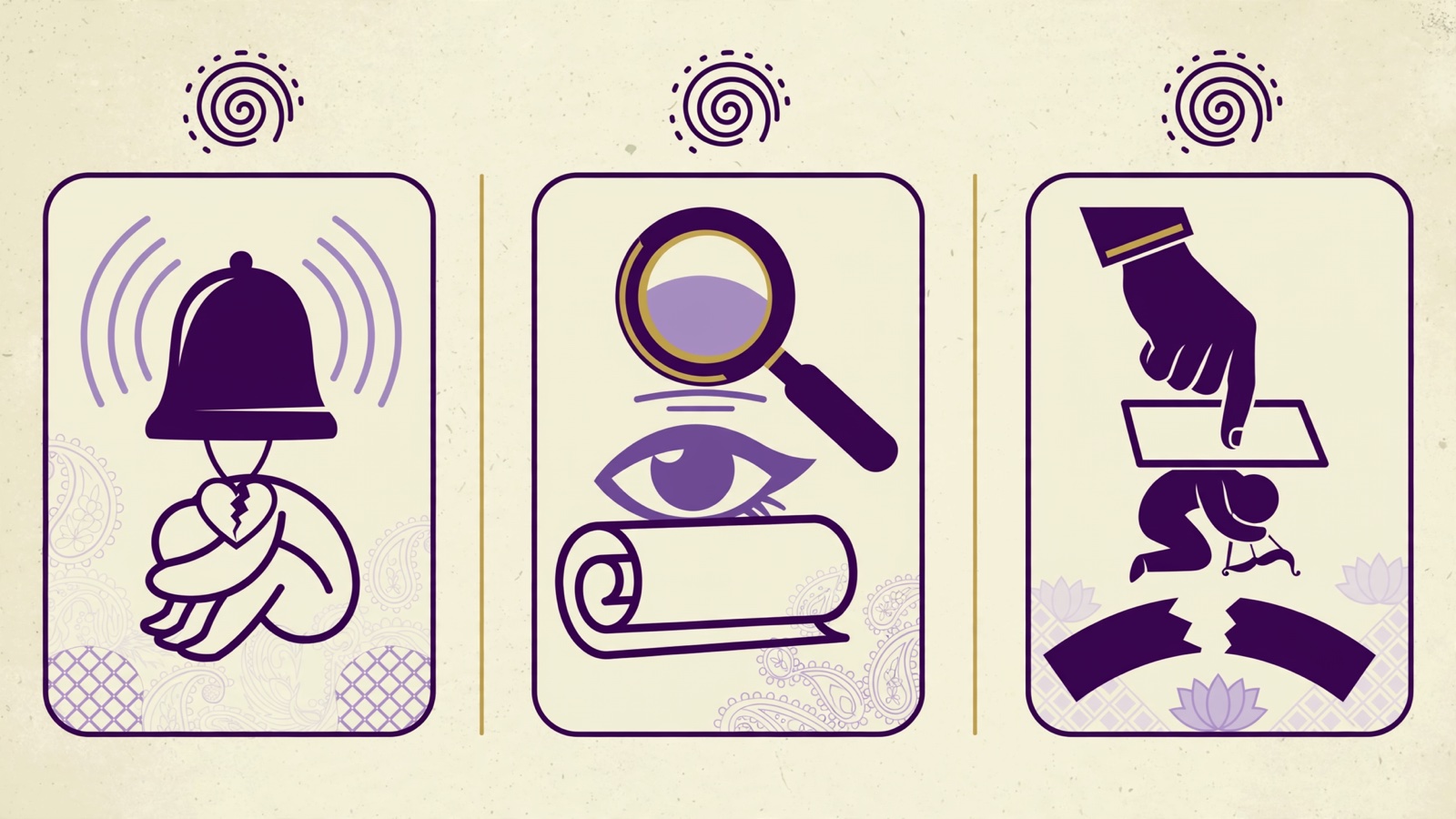
Natural Instincts That Accidentally Make It Worse
Every caring parent falls into these traps out of love, fear, or exhaustion. Here is what happens inside their nervous system and how to shift:
The Panic Detonation
Screaming, crying, calling relatives, rushing to the hospital that night.
Confirms her exact fear: knowing makes everything worse. The behaviour goes permanently underground — longer sleeves, deeper cuts, zero disclosures, ever.
Contain yourself first: step out, call a friend/helpline YOURSELF, return calm. Your regulation in hour one is the entire intervention.
The Surveillance Regime
Door removed, sleeves checked, sharp objects locked, constant monitoring.
Converts home into a detention facility — shame compounds, autonomy dies, and self-harm (a control behaviour) escalates as the last uncontrolled territory.
Collaborative safety planning with the therapist: what she'll do instead, who she'll call, what you'll do. Agency preserves dignity; dignity preserves disclosure.
The Promise Extortion
'Promise me you'll never do it again. Promise! Swear on me!'
Extracts a promise she can't keep, guaranteeing the next episode carries lying plus shame plus broken-promise guilt — triple weight, zero support.
Never demand abstinence promises. Promise YOUR part instead: 'I promise: no shouting about this, professional help this week, and I'm not going anywhere.'
The First-48-Hours Protocol (Then the Months)
Hour one: regulate yourself. Day one: open the door. Week one: professionals in. Then steady.
Hour One: Contain Yourself, Not Her
Your calm is the intervention.
- Step out if you must. Call YOUR support (friend, helpline, counsellor) — process the shock away from her, fully, before you speak to her.
- Return steady. The opening line: 'I found the marks. I love you, I'm not angry, and we're going to handle this together with proper help. You don't have to explain anything tonight.'
- No questions tonight. Food, presence, normalcy. Sleep (yours and hers) before strategy.
Day One: Open the Door, Ask Once, Gently
One conversation, not an investigation.
- Ask directly and calmly about suicide — this does NOT plant the idea (myth, debunked): 'I need to ask: have you had thoughts of ending your life, or is this about coping with unbearable feelings?' Her answer triages everything after.
- Any yes, any ambiguity, any plan/means talk → professional same-day (psychiatrist/ER per severity). No waiting to 'see how it goes.'
- If clearly coping-only: affirm the courage of honesty, state the plan (counsellor this week), and mean every word.
Week One: Professionals In, Shame Out
Build the team fast and visibly.
- Book: clinical psychologist (DBT-informed for self-harm preferred) + paediatrician/psychiatrist for assessment. This week, not 'soon.'
- Frame it as health infrastructure: 'We're getting experts the way we'd get a physio for a fracture — because we love you, not because you're broken.'
- Attend the parent sessions. The therapist will likely ask for home changes — implement them visibly so she sees the family moving, not just her.
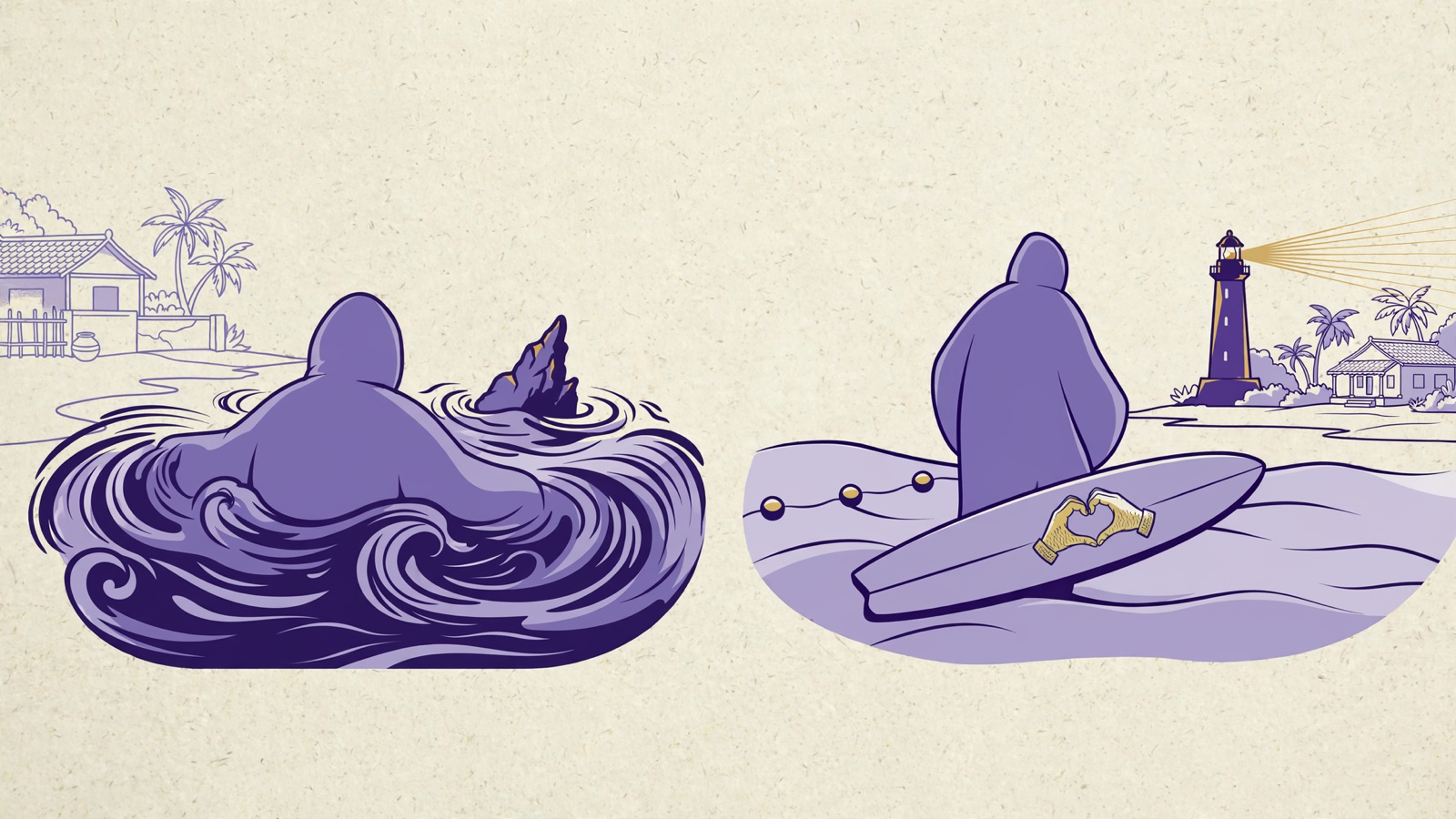
The Months: Steady Harbour, No Inspection
Recovery is months of boring safety, not one dramatic rescue.
- No sleeve checks, no door removals, no sharp-object lockdowns beyond reasonable collaborative safety planning WITH her and the therapist.
- Watch for load, not marks: sleep, appetite, withdrawal, school — the distress inputs. Reduce load where you can (exam pressure dial-down counts).
- Mark progress in function, not abstinence: 'you told me when it got bad' is a bigger win than a clean month achieved through hiding.
What to Say Tonight: Word-for-Word Scripts
Save these to your phone or keep them in mind for your next interaction.
"'I found the marks while folding laundry. First things first: I love you, I'm not angry, and nothing about how I see you has changed. You don't have to explain anything tonight. Here's what happens next: we get proper help this week — a counsellor who knows exactly about this — and I promise no shouting, no drama, no telling the world. Just us handling it right. Okay?'"
Seated beside, voice low and steady, no tears performed at her (cry later, elsewhere).
Covers all four fears instantly (anger, changed love, exposure, demands for explanation) and converts the unknown into a concrete next step with a promise attached.
"'I need to ask you one direct question, and I need a straight answer: have you had thoughts of ending your life — or is this about coping when feelings get unbearable? Either answer is okay to say out loud. I ask because I love you and I need to get the right help.'"
Direct eye contact, calm breathing, unhurried. Wait fully for the answer.
Asking directly reduces risk (never increases it), separates coping from crisis for triage, and proves unbearable topics are speakable at home.
"'Thank you for telling me — that took more guts than the clean weeks did. We're not resetting to zero; recovery isn't a streak, it's a direction, and you're still heading the right way. Tell me what loaded up this week, and we'll adjust together — plus we'll mention it to [therapist] as data, not as failure.'"
Warm, proud of the disclosure, zero disappointment performed.
Rewards telling (the behaviour that saves lives) instead of punishing slipping, frames recovery as direction not streak, and routes data to the professional without drama.
Calm tonight, professionals this week, steady harbour for months — disclosure preserved at all costs.
Seated beside, voice low and steady, no tears performed at her (cry later, elsewhere)
"I love you, I'm not angry, nothing about how I see you has changed. Help this week — promised."
The Underlying Psychological Mechanics
Self-Harm vs Suicide: The Distinction That Organises Everything
Parents must hold both truths simultaneously: this is usually coping (so don't detonate), and it always deserves professional assessment (so don't minimise). The parents who get this balance right — calm plus fast professional help — see the best outcomes in the literature.
Why Punishment and Surveillance Backfire Lethally Here
The Long View: Recovery Is Real and Common
All Situations in Family Shifts, Gender & Sensitive Realities
When Teenage Sons Push Mothers Away
Why adolescent boys pull away to assert masculine independence, and how moms connect without smothering.
When the 'Daddy's Girl' Goes Silent
Why daughters pull away from their fathers during puberty, and how dads can rebuild quiet trust.
Body Insecurities & Mirror Anxiety
Secretive eating, skipping meals, mirror obsession, and comparing real bodies to curated filters.
Secret Dating, First Crushes & Phone Secrecy
Navigating first romantic attachments, late-night texting, and heartbreak without interrogation.
Teens in Controlling Peer / Dating Relationships
Losing their identity, being manipulated by partners or friends, and helping them step away safely.
Caught in a Lie (Secret Accounts & Broken Trust)
Why teens lie to avoid humiliation or protect privacy, and how to rebuild honesty without turning into police.
Vaping, Smoking & Substance Experimentation
Finding pods, smelling smoke, peer pressure, and holding immovable health boundaries without hysteria.
Self-Harm & Overwhelming Emotional Storms
Cutting, severe emotional distress, and emergency psychological first aid for terrified parents.
Being Bullied & Excluded by Peers
Cyberbullying, exclusion from group chats, school yard cruelty, and rebuilding inner safety.
Divided Households & Co-Parenting Friction
Managing conflicting rules between two homes without putting the teenager in the middle of adult resentment.
What to Do When You Find Pornography on Their Phone
Discovered screenshots, unspeakable questions — respond with calm project-management, not catastrophe.
The Hostel & College Transition Playbook
Packing lists are easy; leaving home isn't — prepare the 18-year-old and yourself for the first real goodbye.
Don't Try to Fix Everything Tonight. Just Start Here.
Parenting shifts happen in tiny, consistent micro-moments. Choose the resource that fits your immediate need:
The First-48-Hours Checklist (Printable)
A 1-page hour-by-hour checklist: regulate yourself, the opening lines, the suicide question, and the week-one bookings.
Check Your Teen's Hidden Need Profile
Answer 6 quick questions to discover the exact root driver behind your teen's specific behavior patterns.
Keep Them Safe
Work 1-on-1 to reset your home environment, resolve chronic conflicts, and build lasting connection.
Cross-Chapter Recommended Guides
The Exam Panic Teen: When Test Mornings Bring Nausea and Dread
When anxiety shows up in the body — morning nausea, headaches, blanking in the exam hall — your teen isn't faking illness. Understand the alarm circuit and give them a regulation protocol that works in minutes.
When Young Love Turns Controlling: Spotting Toxic Teen Relationships Early
Teen controlling behaviour hides inside the language of love ('if you loved me you'd...'). Learn the five flags, why banning backfires hardest here, and the exit-ramp protocol that keeps you as the safe harbour.