
Family Shifts, Gender & Sensitive Realities
When Young Love Turns Controlling: Spotting Toxic Teen Relationships Early
Isolation from friends, password demands, tears after every call — the five flags that separate intensity from control, and how to be the safe exit instead of another pressure.
Dignity & Non-Humiliation
The fierce adolescent biological impulse to protect self-respect, autonomy, and mature status.
The Rescue Ban
Banning hands him the perfect gift: proof everyone's against you two, total isolation, and a sealed room for escalation.
"Nothing you tell me gets him banned or you punished. My job is exits, not verdicts."
"She used to have four close friends. Now there's one — him. The others 'don't understand us,' apparently."
"He needs her location 'for safety.' Her passwords, 'because couples share everything.' When she laughed too loud at a cousin's joke last Sunday, the car ride home was silent, then tears, then a two-hour call that ended with her apologising — for laughing."
"You watch your bright daughter shrink her world to the size of one boy's approval, and every instinct screams take her phone, ban him, lock the door. Read this first — because with control dynamics, the obvious move is the dangerous one."
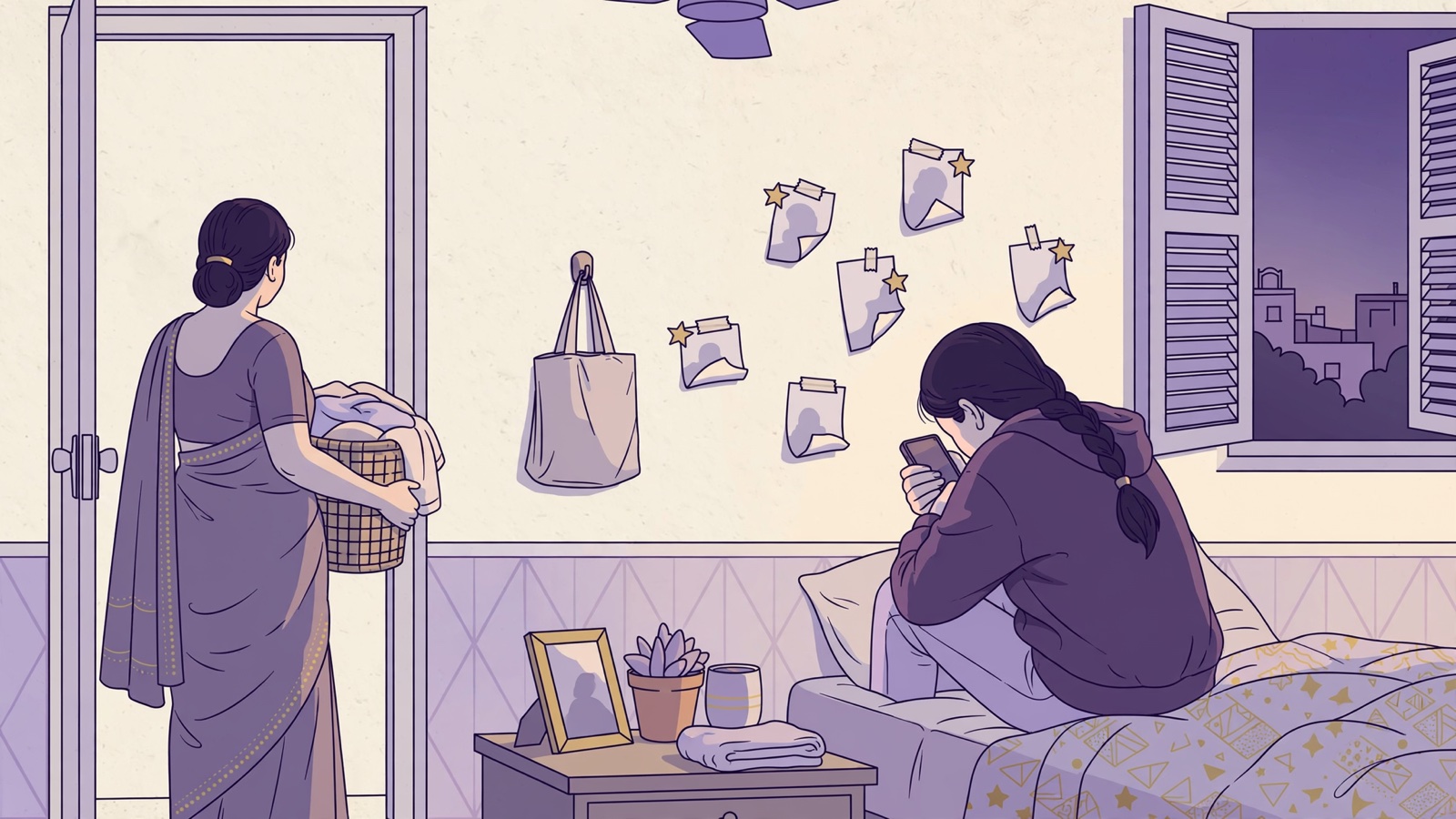
You are not overreacting — the pattern you're seeing has a name, it's real, and early is exactly when intervention works best. But controlling partners thrive on isolation, and a parental ban is the fastest isolation machine ever built: it cuts her off from everyone except him. The way out isn't force — it's becoming the one relationship she never has to hide from, while quietly building her exit muscles.
- This guide's patience strategy assumes emotional control without physical danger. Any hitting, choking, threats with objects, or forced physical contact voids the waiting game — act immediately.
- Image-based coercion ('send photos or I'll...') is a crime, not a relationship problem. Preserve evidence (screenshots with timestamps) and report — do not delete, do not negotiate with the coercer.
- If she discloses sexual assault, believe first, act second: medical care, then reporting options explained with her consent centred. Your first response writes her entire future relationship with help-seeking.
181 — 24x7, free
1098 — 24x7, free, for under-18s
This guide is educational, not diagnosis or treatment. If you believe your teen is in immediate danger, contact professional help now — don't wait for the playbook.
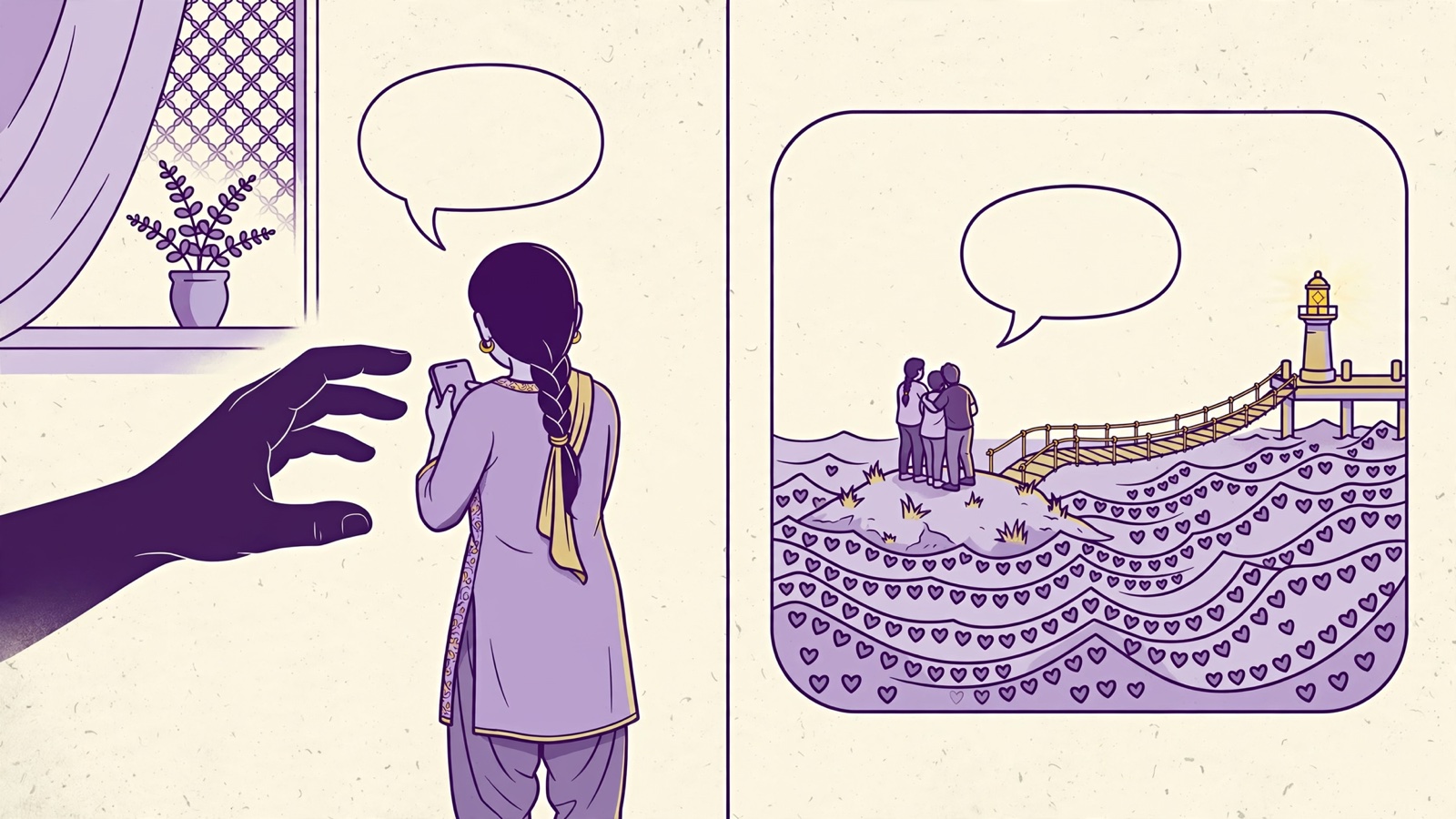
The Behavior Decoder
Translating what you see into what their nervous system is actually experiencing
"'He just loves me a lot. He's protective because he cares.' (Defending what hurts her)"
Admitting it's control means admitting I chose wrong — and losing the only person who feels like mine. Reframing it as love protects both of us from that grief.
"Dropping friends one by one: 'They're drama. He understands me better anyway.'"
Maintaining friendships costs fights with him; dropping them buys peace. Each friend surrendered is a tax paid for quiet — and the world keeps shrinking.
"Tears, anxiety spikes, phone-checking panic — then 'everything's fine, we're good now' cycles"
The cycle is the bond: tension, explosion, honeymoon relief. The relief feels like love because it's the only calm available — trauma bonding in miniature.
Trauma Bonding in Miniature: Why She Can't Just Leave
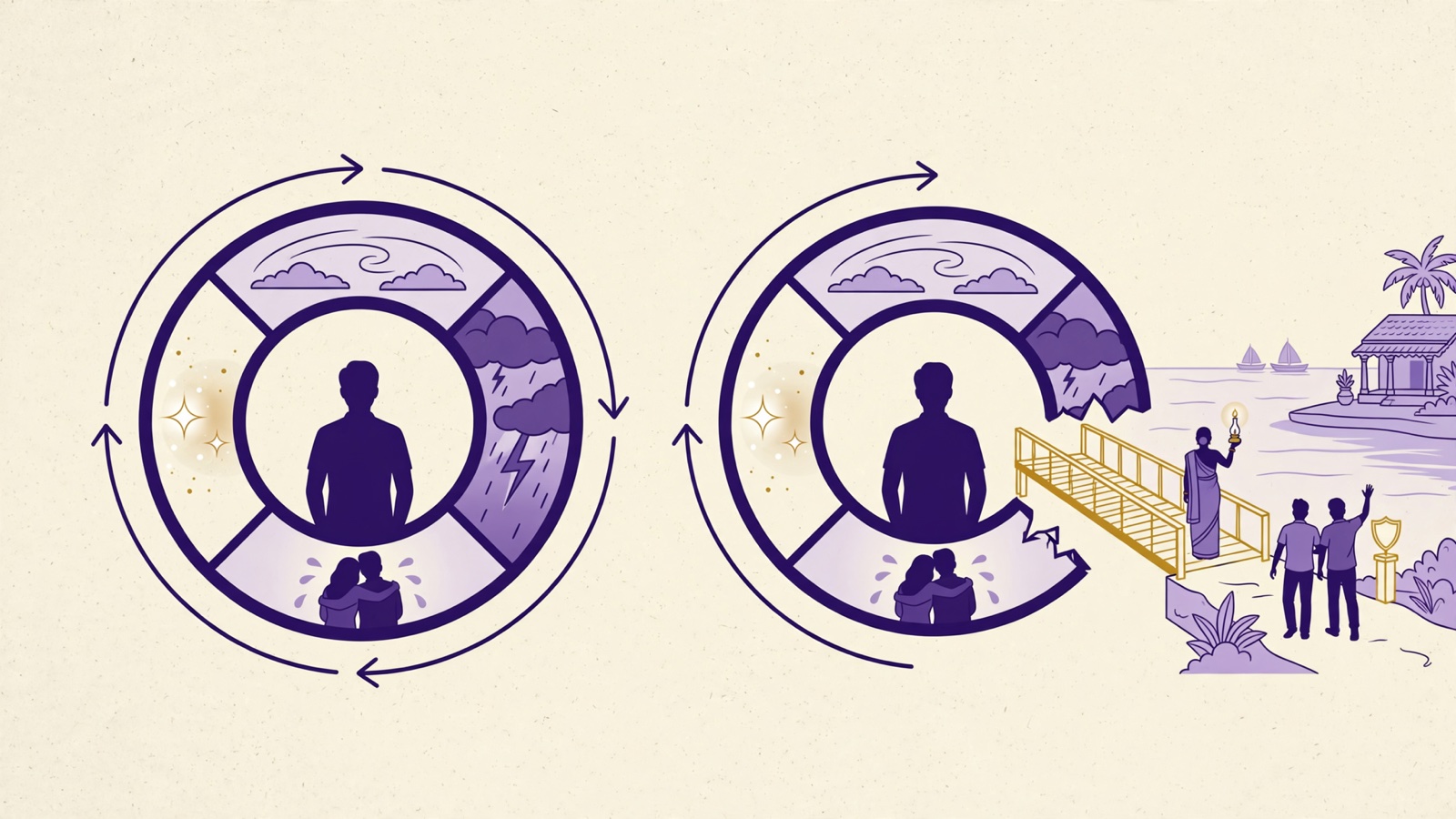
Intermittent reinforcement — unpredictable alternation of pain and relief — is the strongest bonding schedule known to behavioural science, stronger than consistent kindness. Slot machines run on it; so do controlling relationships. Each reconciliation floods relief that the brain files as love, while the unpredictability keeps her hypervigilant and compliant. Add adolescence (identity still forming around the partner), plus isolation (no reality-checking friends left), and leaving feels like self-amputation. 'Why doesn't she just leave' misunderstands the mechanism completely: the bond isn't despite the pain, it's built from the cycle of pain-then-relief. Breaking it requires weakening the cycle's grip — restoring outside connections, naming the pattern without forcing the conclusion, and keeping one unconditional exit open — not attacking the partner, which tightens the bond ('us against the world').
Natural Instincts That Accidentally Make It Worse
Every caring parent falls into these traps out of love, fear, or exhaustion. Here is what happens inside their nervous system and how to shift:
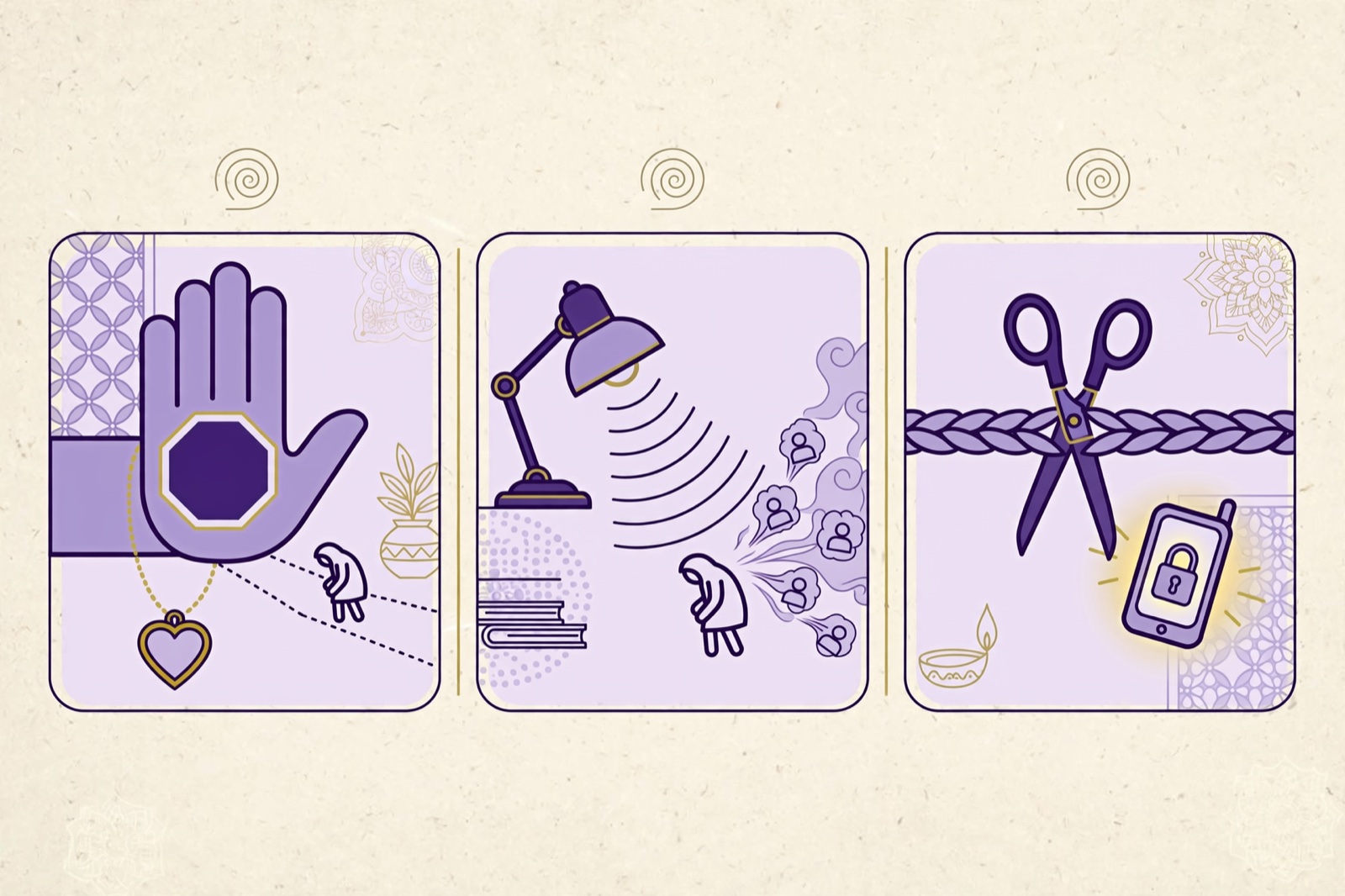
The Rescue Ban
Forbid contact, confiscate the phone, change schools if needed — extract her by force.
Hands him the ultimate gift: proof that 'everyone is against us,' total isolation with him as sole ally, and a secrecy apparatus that hides escalation — including physical danger — from every adult.
Zero bans on the person; firm boundaries on behaviours that affect the house (curfews, school, sleep stand). Fight the control, never the contact.
The Verdict Before She's Ready
'He's abusive/toxic/controlling and you need to leave him NOW.'
Forces her to choose between her perception and yours before she can see it — and she'll choose hers, now fused with defending him. The label becomes something to defeat, not consider.
Ask, don't tell: 'I've noticed X — what do you make of it?' Plant observations as questions and let conclusions ripen at her speed.
The Friend Audit Approach
Recruiting friends as informants, monitoring her socials for evidence.
Confirms the siege mentality and burns the friend channel — friends become spies, so she drops the remaining ones faster.
Rebuild friendships as pure pleasure with zero debrief: fund outings, ask nothing after. Friends are exits; keep them uncompromised.
The Exit-Ramp Protocol
Keep the harbour open, weaken the cycle, build the leaving muscles — without ever banning the person.
Become the Unshockable Harbour
Whatever she tells you, your face stays safe.
- Practice the neutral receiving face: no gasps, no rage, no tears at disclosures. Shock teaches silence; calm teaches telling.
- Say it explicitly and repeat it: 'Nothing you tell me about him will make me ban, explode, or punish you. My job is exits, not verdicts.'
- Mean it visibly the first time it's tested — that first calm response buys the next five confessions.
Rebuild the Outside World (Quietly)
Every friend restored is an exit widened — with zero lectures about him.
- Fund friend time generously and ask nothing after. The friendships must feel like pleasure, not surveillance assignments.
- Reconnect her with one trusted adult besides you — aunt, coach, counsellor — someone she chose. Two harbours beat one.
- Encourage one absorbing activity that's hers alone (sport, art, coding): identity outside the relationship is escape velocity.
Name Patterns, Never Deliver Verdicts
Observations as questions; conclusions on her timeline.
- The formula: specific observation + genuine question. 'He needed your passwords and got angry when you laughed with your cousin — what do you make of that pattern?' Then stop. Let silence work.
- Share stories, not lectures: other girls' experiences, film plots, news items — third-person material lets her judge without defending.
- Track privately what you see (dates, incidents) in a note — if escalation ever needs professional or legal help, contemporaneous records matter.
Keep the Exit Lit (And Know the Red Lines)
She must know leaving is always possible — and you must know when waiting ends.
- The standing offer, repeated: 'If you ever want out — 2 AM, no questions, no I-told-you-sos — I'm your ride. Forever.'
- Red lines that trigger immediate adult action regardless of her readiness: any physical harm, threats, image-sharing coercion, stalking, self-harm talk. Name these lines to her in advance so intervention isn't betrayal.
- Line up professional help quietly in the background (counsellor familiar with teen dating dynamics) so referral is instant when she's ready.
What to Say Tonight: Word-for-Word Scripts
Save these to your phone or keep them in mind for your next interaction.
"'Maybe. Love comes in a lot of shapes, and I'm not going to grade yours. Can I just ask you to notice two things with me — not decide, just notice? When you're with your friends versus with him, where do you laugh more? And after a fight, who apologises first most times? No answers needed now. Just notice for a week and tell me what you see.'"
Gentle, curious, zero prosecutorial energy.
Bypasses the defend-the-verdict reflex by asking for data, not conclusions — and the two questions are precision instruments that reveal control patterns without naming them.
"(To yourself first: harbour face on.) 'Thanks for trusting me enough that I get to know this. I want to share what I see, and then it's your call what to do with it: demanding passwords and cutting you off from friends are on every healthy-relationship checklist as warning signs — not love signs. I'm not banning anyone. I am asking: will you talk this through with [counsellor/aunt] once, just to get a second pair of eyes?'"
Steady, warm, unhurried. No ultimatums in voice or content.
Thanks the disclosure (reinforces telling), names specifics without verdicts, requests one bounded step instead of demanding the breakup.
"'Come here. No lectures, no told-you-sos — not now, not ever. This hurts exactly as much as it hurts and that's allowed. I'm here, your friends are still yours, and if the loneliness gets loud at 2 AM, wake me. We'll outlast this together — and going back is allowed to be discussed, never shameful to mention.'"
Physically present, minimal words, maximum availability.
Withholds every vindicated instinct (which would end future confiding), normalises relapse talk (the highest-risk window), and converts the crisis into the trust deposit the whole protocol built toward.
Starve the cycle, not the contact: harbour open, friends restored, exits lit.
Gentle, curious, zero prosecutorial energy
"Nothing you tell me gets him banned or you punished. My job is exits, not verdicts."
The Underlying Psychological Mechanics
Why Banning Is Structurally the Worst Move
The Cycle Is the Captor
When to Override Her Timeline
All Situations in Family Shifts, Gender & Sensitive Realities
When Teenage Sons Push Mothers Away
Why adolescent boys pull away to assert masculine independence, and how moms connect without smothering.
When the 'Daddy's Girl' Goes Silent
Why daughters pull away from their fathers during puberty, and how dads can rebuild quiet trust.
Body Insecurities & Mirror Anxiety
Secretive eating, skipping meals, mirror obsession, and comparing real bodies to curated filters.
Secret Dating, First Crushes & Phone Secrecy
Navigating first romantic attachments, late-night texting, and heartbreak without interrogation.
Teens in Controlling Peer / Dating Relationships
Losing their identity, being manipulated by partners or friends, and helping them step away safely.
Caught in a Lie (Secret Accounts & Broken Trust)
Why teens lie to avoid humiliation or protect privacy, and how to rebuild honesty without turning into police.
Vaping, Smoking & Substance Experimentation
Finding pods, smelling smoke, peer pressure, and holding immovable health boundaries without hysteria.
Self-Harm & Overwhelming Emotional Storms
Cutting, severe emotional distress, and emergency psychological first aid for terrified parents.
Being Bullied & Excluded by Peers
Cyberbullying, exclusion from group chats, school yard cruelty, and rebuilding inner safety.
Divided Households & Co-Parenting Friction
Managing conflicting rules between two homes without putting the teenager in the middle of adult resentment.
What to Do When You Find Pornography on Their Phone
Discovered screenshots, unspeakable questions — respond with calm project-management, not catastrophe.
The Hostel & College Transition Playbook
Packing lists are easy; leaving home isn't — prepare the 18-year-old and yourself for the first real goodbye.
Don't Try to Fix Everything Tonight. Just Start Here.
Parenting shifts happen in tiny, consistent micro-moments. Choose the resource that fits your immediate need:
The Healthy-Relationship Checklist (Printable)
A 1-page teen-facing checklist: five green flags, five red flags, and the 2 AM exit promise — designed to be shared, not policed.
Check Your Teen's Hidden Need Profile
Answer 6 quick questions to discover the exact root driver behind your teen's specific behavior patterns.
Identity and Fitting In
Work 1-on-1 to reset your home environment, resolve chronic conflicts, and build lasting connection.
Cross-Chapter Recommended Guides
She Has a Boyfriend: The Father-and-Mother Playbook for First Love
First love at 14-16 is developmentally on schedule and parentally terrifying. Banning it drives it underground; ignoring it abandons her. The middle path: house dating policy, meet-the-boy protocol, and exits rehearsed in advance.
Mirrors, Meals, and Reels: When Your Daughter Starts Hating How She Looks
Body hatred at 14 isn't vanity — it's a ranking system she didn't choose, running on images she can't compete with. Media literacy plus unconditional regard: the two-track response that actually moves the needle.