
Family Shifts, Gender & Sensitive Realities
Her First Man: A Father's Guide to Staying Close to His Teenage Daughter
She used to run to the door when your scooter turned in. Now she locks it — and every clumsy protective move pushes her further toward secrets. Here's the father's playbook she'll thank you for at 25.
Co-Regulation & Attunement
Testing adult boundaries to verify that the parent remains calm, sturdy, and emotionally regulated when they spiral.
The Protector-Act
Surveillance-as-love teaches secrecy instead of judgement — relocating all risk underground.
"No situation is worse than not calling me. Any hour, any mess — call first, consequences later."
"She's on the phone in her room, laughing — a laugh you haven't heard directed at you in months. You knock with chai, she wraps the call in half a second: 'Nothing. Friend.'"
"At dinner you try the joke that always worked when she was nine — something about her hair, meant lightly. Her face falls. Your wife kicks you under the table. The rest of the meal happens in a silence you paid for with a joke."
"Later you stand outside her closed door holding no idea what the rules are now. Protector? Friend? Manager? Every role you try seems to be last season's."
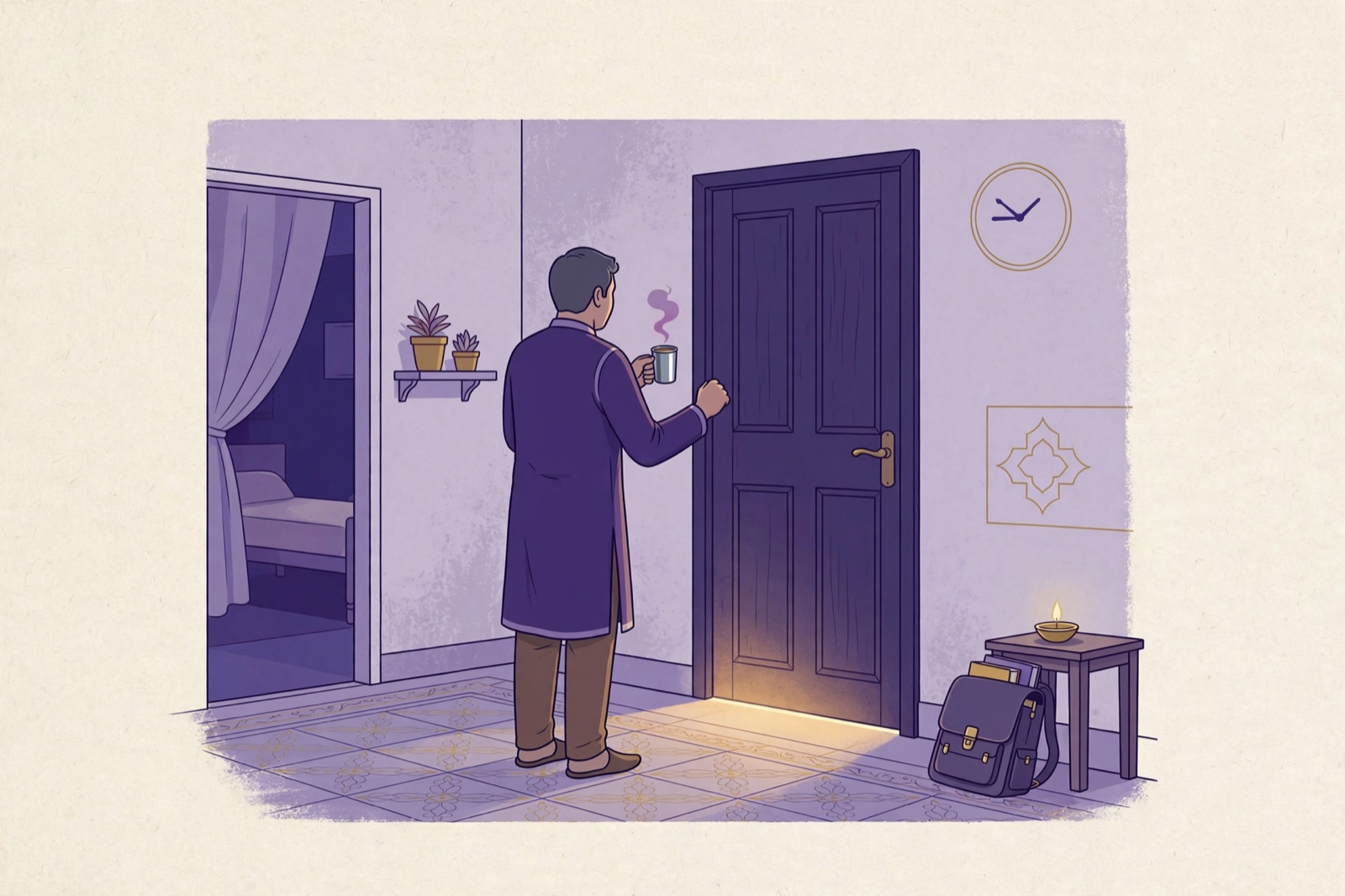
She hasn't replaced you — she's reassigning you, and the new job description got lost in the mail. Fathers remain the template against which daughters calibrate every future man: how a man handles her 'no', her tears, her ambition. You don't need to be cool or current. You need to be safe, steady, and slightly funny on purpose — the harbour job, not the hero job.
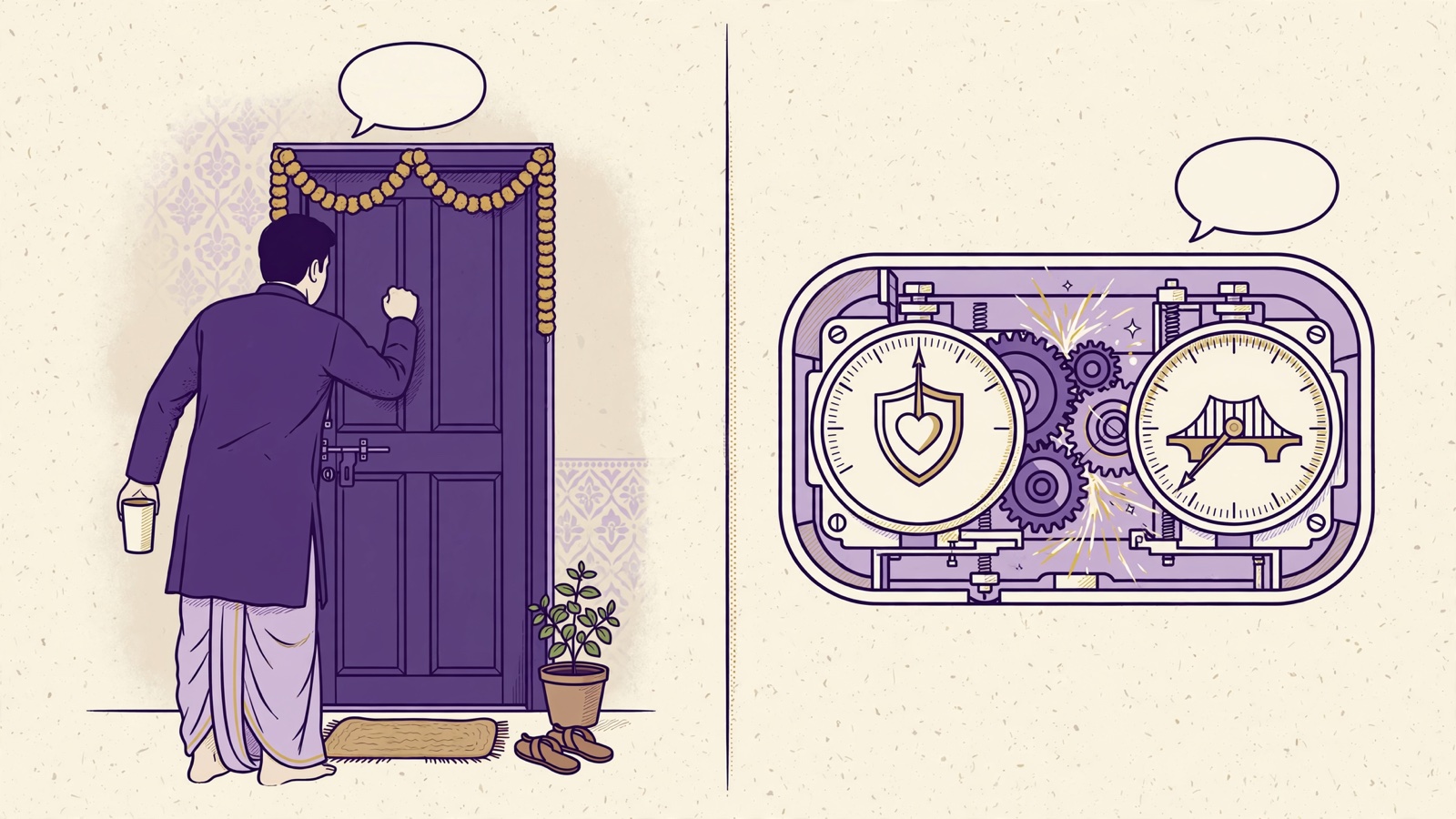
The Behavior Decoder
Translating what you see into what their nervous system is actually experiencing
"Secrets, locked phone, 'nothing' — the information shutdown"
If I tell Papa about the boy who texted, the house becomes a courtroom. Silence isn't distance; it's the cheapest protective order available.
"Overreaction to an old joke — teasing about looks, food, 'drama' lands like an insult now"
My body is changing in ways I didn't choose and can't control. Jokes about it from the first man in my life read as verdicts, not banter.
"Prefers mother for everything; father gets logistics only (fees, drops, permissions)"
Mum is low-risk. Dad's reactions are high-variance — warmth or thunder, no forecast. Logistics are the only safe transactions.
The Template Years: Why Father Behaviour Compounds
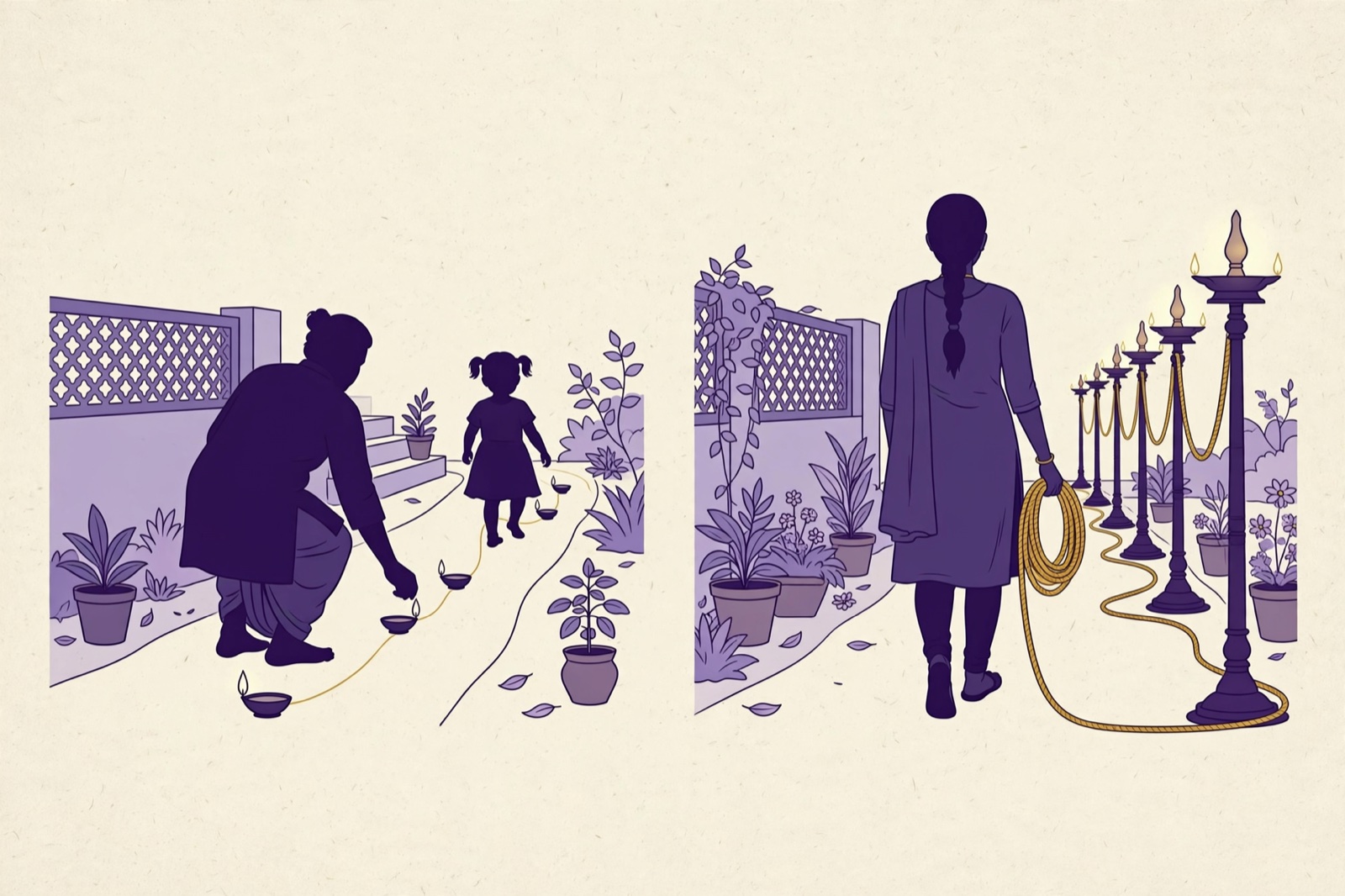
Between 12 and 16, daughters build their internal working model of men — largely from one dataset: father. How he handles her anger teaches her what male anger means. How he handles her 'no' teaches her whether her 'no' works on men. How he treats her mother teaches her what to expect and accept. This isn't pressure — it's leverage: small, consistent behaviours compound into her adult template. The withdrawal pattern (ATM + driver) teaches that men provide but don't engage — the exact model that later makes her tolerate distant partners. The policing pattern (phone checks, dress codes delivered as edicts) teaches that male attention equals control — the exact model that later makes her hide things from men who love her. The harbour pattern — steady, curious, boundaried with reasons — is the only one that compounds well.
Natural Instincts That Accidentally Make It Worse
Every caring parent falls into these traps out of love, fear, or exhaustion. Here is what happens inside their nervous system and how to shift:
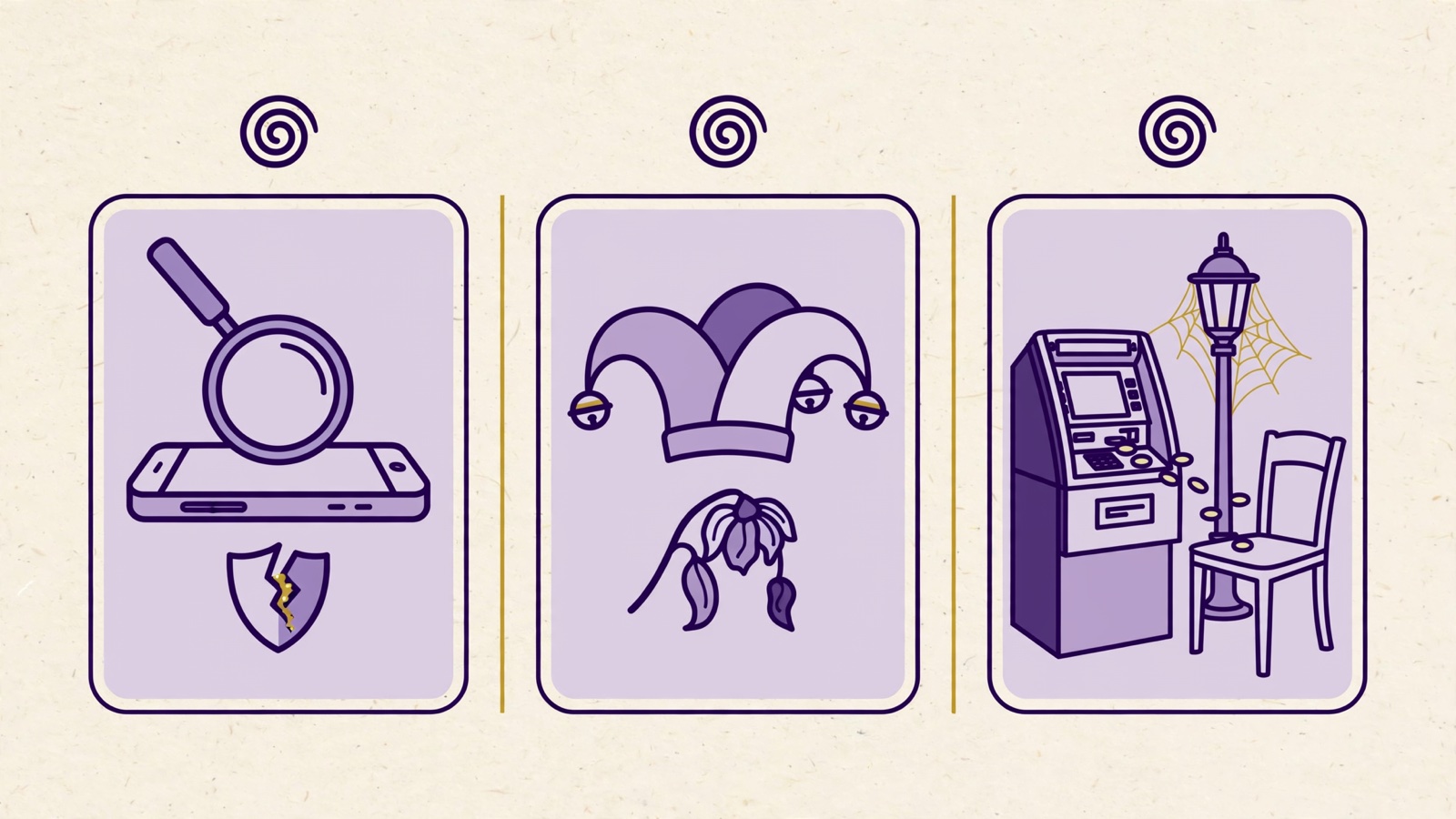
The Protector-Act (Surveillance as Love)
Phone checks, location tracking, interrogating friends, dress-code edicts — all framed as safety.
Teaches that male love equals surveillance, so she gets good at secrecy instead of good at judgement — the opposite of safety, and it relocates risk underground.
Trade surveillance for scenario coaching: 'If a boy pressures you at a party, what are your three exits?' Skills, not spyware.
The Nine-Year-Old Joke Book
Same teasing about looks, appetite, drama that used to get giggles.
The body changed; the joke didn't. Every landed joke is now a data point that her first man finds her body funny — filed accordingly.
Retire all appearance/food/emotion jokes permanently. Replace with competence humour — tease her chess moves, her comebacks, her bargaining. Punch up at skills, never at the self.
The ATM Withdrawal
Accepting the logistics-only role withhurt pride: fine, fees and drops, feelings are mother's department.
Confirms the template that men provide but don't engage — and guarantees that when she truly needs a man (harassment, heartbreak, danger), she won't call you first.
Claim one weekly harbour slot: a drive, a walk, chai — no agenda, no advice unless asked. Presence with curiosity rebuilds the channel faster than any conversation.
The Harbour Protocol
Four moves that make you her first call again — without demanding it.
Retire the Old Joke Book (Today)
One conversation with yourself; permanent effect.
- Ban list, effective immediately: looks, weight, appetite, clothes, 'drama', tears, friends' appearances. No exceptions, no 'just joking'.
- If one slips (they will), repair instantly: 'That was the old joke book — retired as of now. Sorry.' Instant repair teaches more than perfect avoidance.
- Install the new humour: her skills, her wit, shared absurdities. Fathers who make daughters laugh about ideas stay close for decades.
Install the Weekly Harbour Slot
Same time, same low-stakes activity, no agenda.
- A drive, a walk, a chai run — movement beats face-to-face (side-by-side disclosure rule). Let silence be legal.
- Her topics, her pace. Your job: curious questions, zero advice unless explicitly asked ('want my take or just ears?').
- Protect it like tuition. Cancelled harbours teach that she's schedulable — the opposite of the lesson.
Coach Scenarios, Don't Set Surveillance
Replace every check with a rehearsal.
- For every fear, build a script together: unwanted attention, pressure at parties, creepy seniors, online strangers. Rehearse her lines out loud, twice.
- Share your own relevant stories (edited): times you misjudged people, what saved you. Vulnerability about your youth beats lectures about hers.
- The rule she must hear: 'No situation you get into is worse than not calling me. Any hour, any mess — call first, consequences later, always.'
Model the Man (Especially With Her Mother)
She's watching how a man treats a woman, daily, at close range.
- Disagree with her mother respectfully and visibly: no contempt, no shouting, repair out loud. This is curriculum, not privacy.
- Do housework visibly and unasked. The template includes who serves whom — write it well.
- Speak of her future as expansive, explicitly: careers, travel, ambition — fathers who voice big futures inoculate against small ones.
What to Say Tonight: Word-for-Word Scripts
Save these to your phone or keep them in mind for your next interaction.
"'I'm not going to audit your phone — that's not the father I want to be. Here's my one rule and the reason: tell me who you're with and roughly where, so if anything ever goes sideways I can reach you. The details of your friendships are yours. Deal?'"
Calm, seated, eye-level. A proposal, not an edict.
Trades surveillance (which breeds secrecy) for logistics (which buys safety), names the father you want to be, and gives her privacy with a perimeter.
"'Hey — that was the old joke book, and it doesn't work anymore. I'm retiring it as of now. Sorry, genuinely.' Then move on completely — no grovelling spiral."
Immediate, brief, warm. Then normal evening resumes.
Instant repair without drama models accountability, proves her feelings register in real time, and the 'retired' framing makes it structural, not personal guilt.
"'New standing plan: Saturday evening drive, you pick the music, no agenda from me. You can tell me everything or nothing — both are fine uses of the hour. First one's this Saturday?'"
Light, offering, zero heaviness about 'we need to talk'.
Low-pressure framing with her in control (music, topics), explicit permission for silence, and a concrete first date that makes it real.
Harbour, not hero: steady, curious, boundaried with reasons.
Calm, seated, eye-level
"No situation is worse than not calling me. Any hour, any mess — call first, consequences later."
The Underlying Psychological Mechanics
The Template Compounds Quietly
The research direction here is consistent: daughters with engaged, warm, boundaried fathers show better partner selection, higher ambition persistence, and stronger help-seeking in danger. None of it requires perfection. It requires the harbour pattern held steady for years.
Protection vs Control: The Bright Line
The Mother's Role in This Guide
All Situations in Family Shifts, Gender & Sensitive Realities
When Teenage Sons Push Mothers Away
Why adolescent boys pull away to assert masculine independence, and how moms connect without smothering.
When the 'Daddy's Girl' Goes Silent
Why daughters pull away from their fathers during puberty, and how dads can rebuild quiet trust.
Body Insecurities & Mirror Anxiety
Secretive eating, skipping meals, mirror obsession, and comparing real bodies to curated filters.
Secret Dating, First Crushes & Phone Secrecy
Navigating first romantic attachments, late-night texting, and heartbreak without interrogation.
Teens in Controlling Peer / Dating Relationships
Losing their identity, being manipulated by partners or friends, and helping them step away safely.
Caught in a Lie (Secret Accounts & Broken Trust)
Why teens lie to avoid humiliation or protect privacy, and how to rebuild honesty without turning into police.
Vaping, Smoking & Substance Experimentation
Finding pods, smelling smoke, peer pressure, and holding immovable health boundaries without hysteria.
Self-Harm & Overwhelming Emotional Storms
Cutting, severe emotional distress, and emergency psychological first aid for terrified parents.
Being Bullied & Excluded by Peers
Cyberbullying, exclusion from group chats, school yard cruelty, and rebuilding inner safety.
Divided Households & Co-Parenting Friction
Managing conflicting rules between two homes without putting the teenager in the middle of adult resentment.
What to Do When You Find Pornography on Their Phone
Discovered screenshots, unspeakable questions — respond with calm project-management, not catastrophe.
The Hostel & College Transition Playbook
Packing lists are easy; leaving home isn't — prepare the 18-year-old and yourself for the first real goodbye.
Don't Try to Fix Everything Tonight. Just Start Here.
Parenting shifts happen in tiny, consistent micro-moments. Choose the resource that fits your immediate need:
The Harbour Slot Planner (Printable)
A 1-page weekly slot planner plus the scenario-coaching scripts for unwanted attention, pressure, and online strangers.
Discover Your Parenting Style & Reactive Triggers
Answer 6 quick questions to discover the exact root driver behind your teen's specific behavior patterns.
The Steady Parent
Work 1-on-1 to reset your home environment, resolve chronic conflicts, and build lasting connection.
Cross-Chapter Recommended Guides
Mama's Boy or Mama's Wall? Navigating Closeness With Your Teenage Son
Between his pull toward you and his need to prove he's a man, your teenage son is stretched across a loyalty fault-line with his father. Learn the triangle map: stop translating, start connecting directly.
Mirrors, Meals, and Reels: When Your Daughter Starts Hating How She Looks
Body hatred at 14 isn't vanity — it's a ranking system she didn't choose, running on images she can't compete with. Media literacy plus unconditional regard: the two-track response that actually moves the needle.