
Parenting Styles, Boundaries & Spousal Alignment
Never Withdraw Love: Why the Silent Treatment Is the One Weapon That Backfires
You won the argument by going silent — and lost the tween for a week. Emotional coldness isn't discipline; it's attachment damage wearing a consequence costume.
Unconditional Regard
The fear that parental warmth, respect, and love are conditional on academic or behavioral performance.
The Cold War Strategy
Going silent teaches that love is rationed by mood — protection armour gets built before the lesson ever lands.
"Anger in words, love never off — the AND stands: consequence AND warmth."
"The fight ended two hours ago. She's still wrong, you're still right, and the kitchen has become northern frontier: she walks in, you walk out."
"Dinner happens in parallel universes — same table, different planets. You answer in monosyllables. The point, you tell yourself, is that SHE feels my hurt and comes apologising."
"Two days later she does come — but not to apologise. She's stopped asking things. The nickname she used for you has quietly disappeared from her speech. You won the stand-off and lost the child — and neither of you can name what changed."
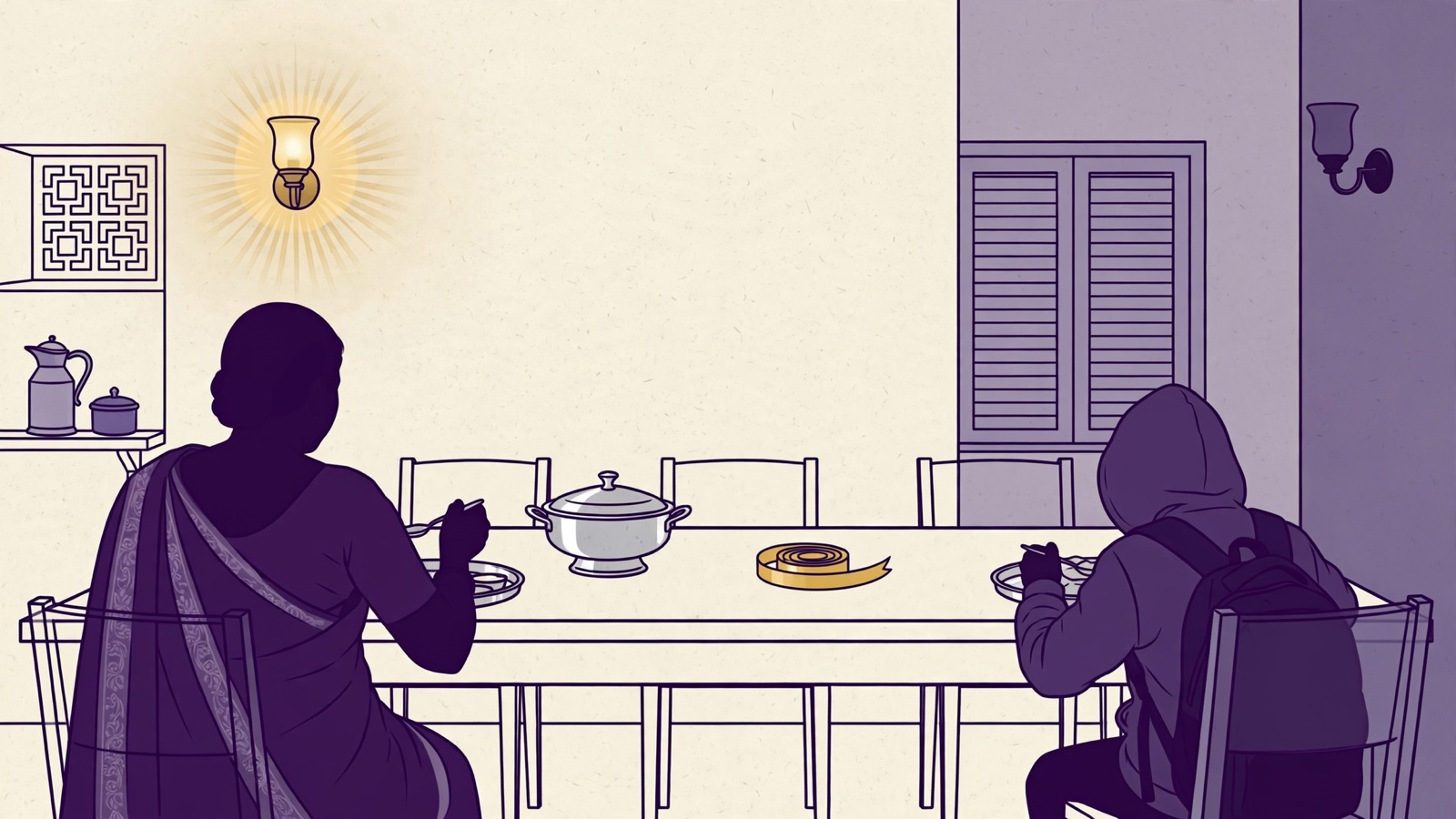
The silent treatment isn't discipline — it's attachment damage wearing consequences' uniform. You didn't lose the argument; you taught the deepest lesson a child learns from parents: love is rationed by mood, and safety isn't permanent. The fix isn't more softness; it's separating the emotion (anger is fine) from the withdrawal (love is not leverage).
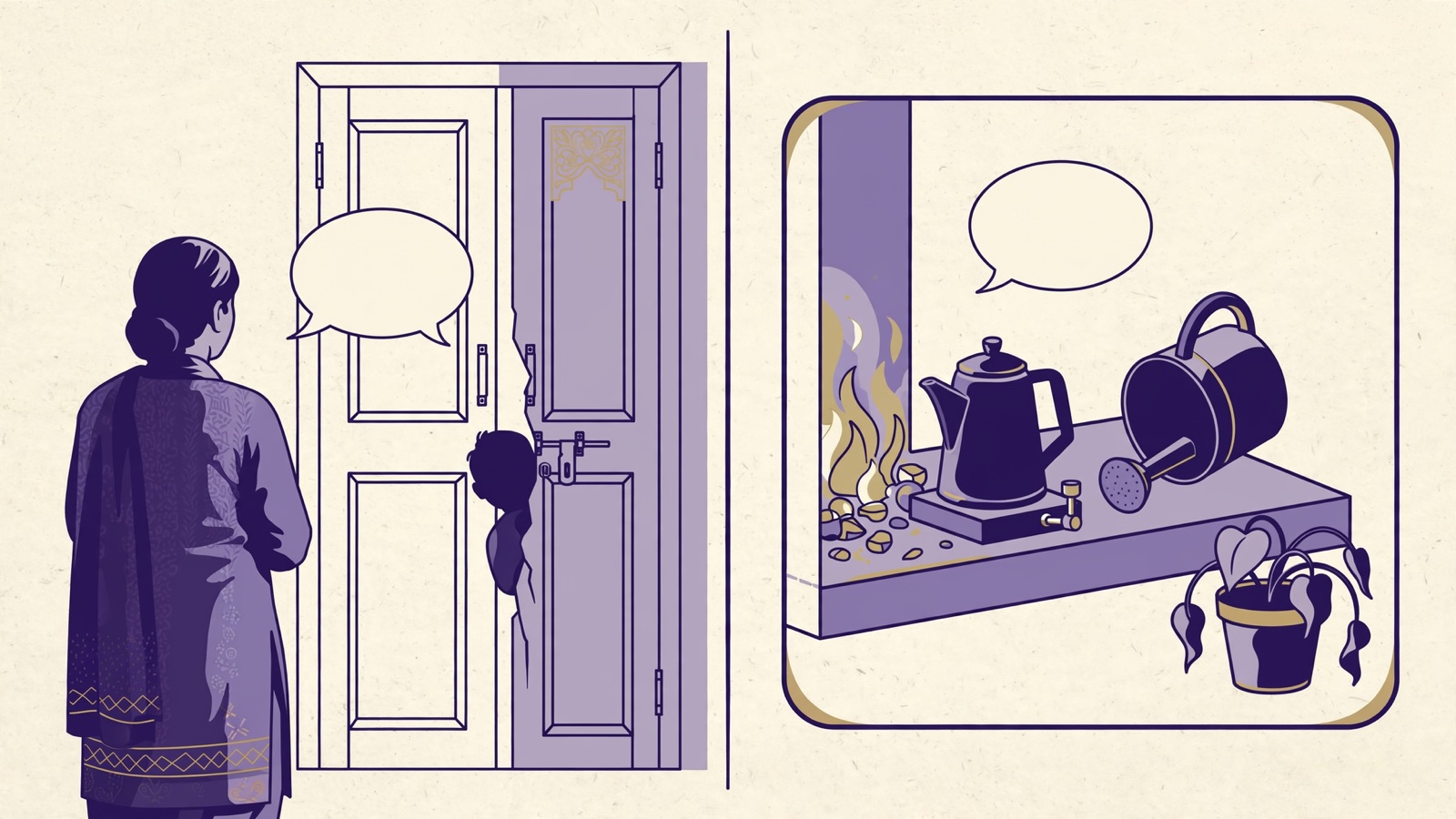
The Behavior Decoder
Translating what you see into what their nervous system is actually experiencing
"'Fine.' (Then: nothing. No anger, no laughing — just gone)"
The treatment doesn't just hurt — it's confusing. I'm reading your face at dinner trying to find the person who was there yesterday.
"'Sorry Ma' (delivered flatly, 2 days later, to end the embargo — not because she's wrong)"
I apologised for existing, not for the offence. The apology is a parole application — I learned that love has passwords, not principles.
"Days later: 'You don't have to do stuff for me, I'll manage.' (Independent tone, distant eyes)"
I'm pre-abandoning you before you can withdraw again. If I need you less, the cold spells hurt less. This is grief at 15.
Attachment 101: Love Is the Baseline, Not the Leverage
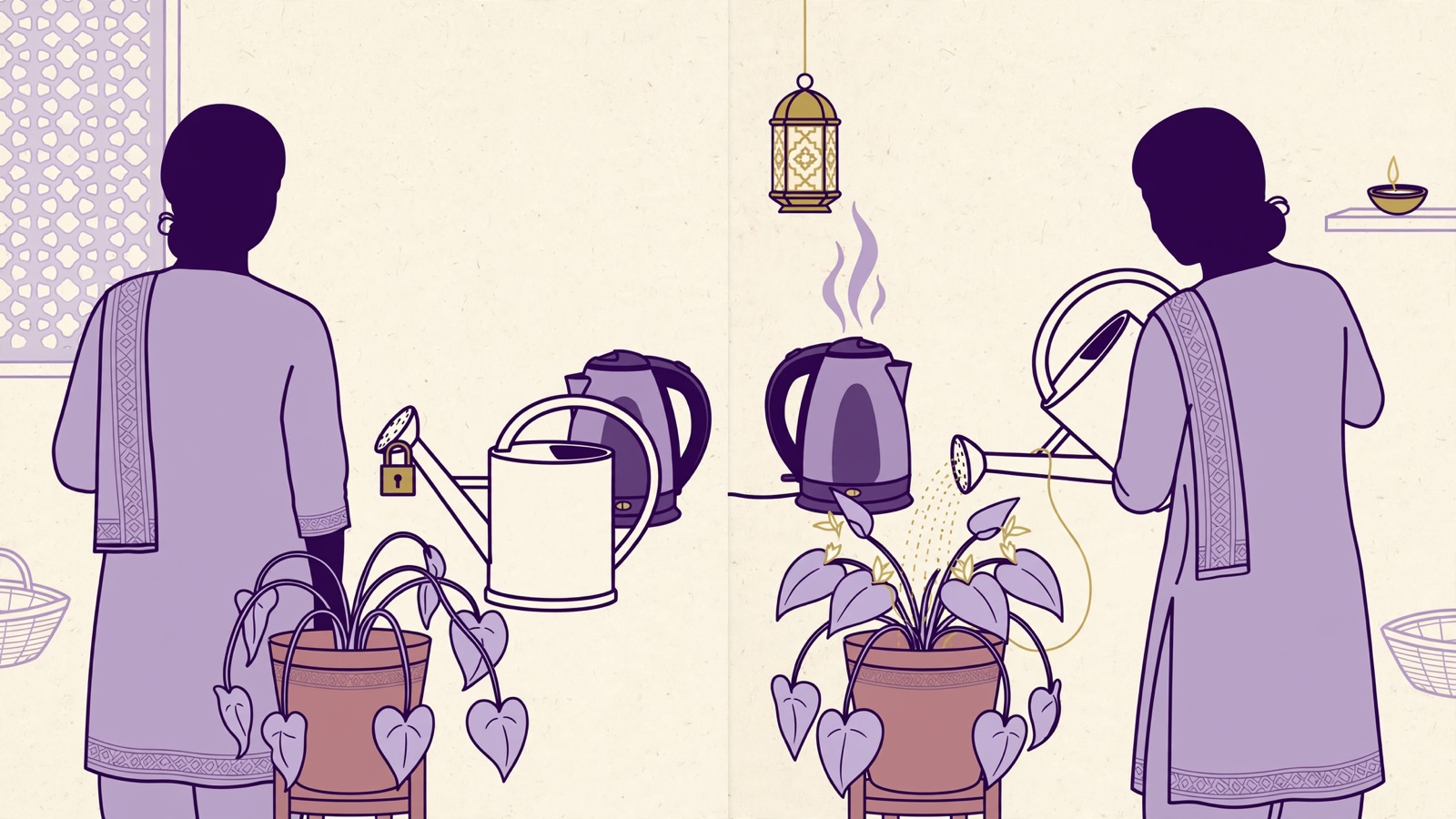
Attachment theory's core finding: a child's lifelong model of relationships is built on whether parental love is *constant* or *conditional on behaviour*. Withdrawing warmth to punish triggers the deepest alarm a young nervous system has — the threat of connection loss — and the brain responds not with learning but with protective reorganization: emotional armor, need-suppression, hypervigilance to moods. This is why cold-wars produce compliant-but-anxious children and, in adolescence, reciprocal coldness and eventual estrangement. The mechanism is different from consequence: a grounded teen still feels safe (connection intact, freedom limited); an emotionally-starved teen loses ground itself. Punishment teaches a lesson about behaviour; withdrawal teaches a lesson about love — the one lesson no parent ever intends.
Natural Instincts That Accidentally Make It Worse
Every caring parent falls into these traps out of love, fear, or exhaustion. Here is what happens inside their nervous system and how to shift:
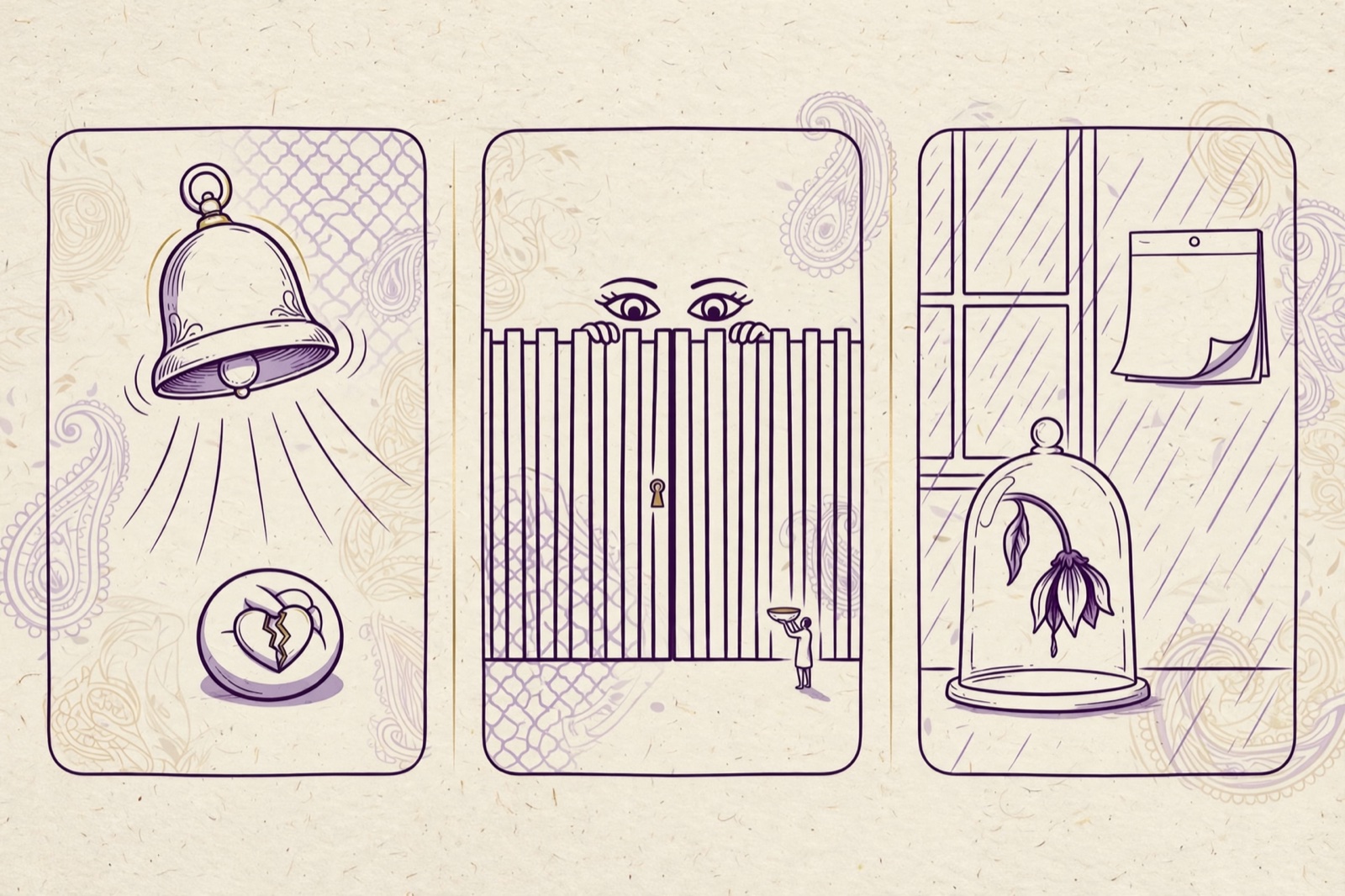
The Cold War Strategy
Going silent for hours/days as the 'firm' response to defiance.
The child learns relationships are hostage negotiations. Future conflicts will start with emotional defence rather than honest engagement.
State anger aloud IN WORDS ('I'm really angry and I need 20 minutes') and then GENUINELY return. The words are safety; the silence is violence.
The Weaponised Coldness
'Fine, do what you want, see if I care' — the guilt-inducing close-down.
The most corrosive variant: it forces the teen to parent YOUR emotions, reversing roles and killing the sense that adults are the stable ones.
Never make the teen responsible for your emotional state. 'I need 20 minutes' is your responsibility; 'look what you made me feel' is theirs to carry forever.
The Slow Fade
Reduced warmth over weeks after a repeated disappointment — 'I've just accepted things won't change.'
Silent fading is worse than one explosion. The child grows up in a wall of unresolved coldness, unable to locate or fix anything.
If anger lingers, SAY IT OUT LOUD once and then decide: is this a boundary (consequence stands) or a grudge (I need help letting go)? Never let a mood become climate.
The Love-Certainty Protocol
Four moves that separate anger (legal) from withdrawal (banned) — and repair the damage if cold wars already run the house.
Name Anger, Never Starve Love
Feelings in words; connection always.
- The house rule, stated once: 'In this family we SAY our anger. We never stop loving each other as punishment.'
- Replace silence with sentences: 'I'm very angry about the marks. I need a walk. I'll be back in 20 minutes and we'll talk.' Then BE back in 20 minutes.
- Return rituals matter: re-entering the room with a normal 'dinner's ready' proves the connection never actually left.
Keep Consequences and Connection in Separate Accounts
You can enforce hard rules through a loving relay.
- Formula: 'I'm disappointed AND I'm here.' Both sentences, always together — the AND is what teens calibrate.
- Never allow a consequence conversation to end with coldness. End with: 'Consequence stands. Warmth stands too. Breakfast at 8?'
- Physical connection (the sideways presence at dinner, the regular chai) continues even mid-consequence. The rule pinches; the love doesn't.
Repair the Cold Wars (If They Already Happen)
Old patterns need active demolition, not just better habits.
- Name it to the teen plainly: 'I've been giving you silent treatments when angry. That was wrong — silence hurts more than shouting. I'm retiring it, and I'd like you to call me out when I relapse.'
- Expect a protective delay: weeks of testing whether the new warmth is permanent. Prove it through consistency, not declarations.
- Watch for the thaw: unsolicited nicknames, random requests, longer goodnights. These are repairs in progress — receive them warmly when they arrive.
Audit Your Own History
Cold-war parenting is usually inherited from how YOU were parented.
- Ask: who taught you that love withdraws when you disappoint? What did silence from your own parents mean to you at 15?
- The pattern is reversible with awareness + practice + imperfect repair. Don't aim for never-silent; aim for named-and-repaired.
- If cold wars run deep in your marriage or toward specific kids, a counsellor visit is strength, not weakness — the family rewrites its attachment scripts fastest with a guide.
What to Say Tonight: Word-for-Word Scripts
Save these to your phone or keep them in mind for your next interaction.
"'STOP — I can feel myself going cold. That's the old habit and it hurts us both. I'm not withdrawing; I'm stepping out for 15 minutes to cool off. I'll be back for dinner and we'll sort this like two people who love each other.'"
Naming the pattern aloud with hand on heart. Then actually leave and actually return.
Self-naming recruits your prefrontal cortex, the timed exit protects the connection, and 'we'll sort this' prevents the abandonment-feeling from setting in.
"'You've noticed I go silent when angry — and it's affected you more than I realised. I'm apologising for that. It came from how I was raised, and it ends here. From today: when I'm angry, you'll HEAR it in words. My love was never actually off, but I know it felt that way. I want you to call me out when I lapse. Deal?'"
Sincere, seated, unhurried. Expect suspicion; stay steady.
Names the pattern without excuses (your conditioning, not your character), apologises with a mechanism, and invites correction — the teen becomes ally against your own habit.
"'The phone stays off tonight — that's the rule and it stands. AND I made your favourite for dinner, AND we're watching the match like planned. Consequence and love are different bank accounts; one being tight doesn't empty the other.'"
Matter-of-fact, slightly warm, no guilt-trip undertow.
Physically models the separation (food + rule in one evening) so the teen FEELS that discipline and love are independent systems, not the same currency.
Never weaponise the connection: anger speaks, love stays.
Naming the pattern aloud with hand on heart
"Anger in words, love never off — the AND stands: consequence AND warmth."
The Underlying Psychological Mechanics
Why Emotional Withdrawal Is the Quietest Damage
###(teens Read Regard, Not Rules) Ongoing research on adolescent wellbeing consistently finds that perceived parental warmth — the teen's subjective sense 'I matter to them even when I fail' — is among the strongest protective factors for mental health, academic persistence, and relationship skills. And critically: it's perceived warmth, not performed warmth. Your inner withdrawal leaks through micro-signals: the shorter answers, the turned shoulder, the skipped nicknames. Teens read nuance better than we do; they're watching for exactly this signal.
Silence as Inheritance
All Situations in Parenting Styles, Boundaries & Spousal Alignment
Connect Before You Direct (The Golden Rule)
Why barking commands triggers biological resistance, and how a 2-minute connection ritual unlocks voluntary cooperation.
Anger Isn't the Problem — Reactivity Is
How to harness anger constructively to hold firm boundaries without shouting, sarcasm, or silent treatments.
When Spouses Disagree: Ending Good Cop / Bad Cop
How divided parental rules cause teens to manipulate boundaries, and how to create a unified front behind closed doors.
Natural Consequences vs. Damaging Punishment
Why taking phones away creates hostility, and how to use non-damaging consequences that teach true accountability.
When In-Laws & Extended Family Interfere
Protecting household boundaries from generational guilt, comparisons, and unsolicited parenting advice.
Never Withdraw Love: Why the Silent Treatment Damages Adolescents
Cold wars feel like consequences to you and abandonment to them — stay present during the fight.
Don't Try to Fix Everything Tonight. Just Start Here.
Parenting shifts happen in tiny, consistent micro-moments. Choose the resource that fits your immediate need:
Emotional Validation: Scripts for Reconnecting (Printable)
Validation scripts for breaking cold wars — naming, returning, and the connection-through-consequence formula.
Discover Your Parenting Style & Reactive Triggers
Answer 6 quick questions to discover the exact root driver behind your teen's specific behavior patterns.
The Steady Parent
Work 1-on-1 to reset your home environment, resolve chronic conflicts, and build lasting connection.
Cross-Chapter Recommended Guides
The 90-Second Fuse: Why You Shout at the People You Love Most (and the Reset That Actually Works)
Anger isn't the problem — unmanaged reactivity is. Learn the 90-second physiology of your fuse, the pre-loaded reset that works mid-fight, and the repair ritual that converts explosions into trust.
Connect Before You Direct: The Golden Rule of Adolescent Cooperation
Commands without connection feel like threats to an adolescent's developing autonomy. Discover the 2-minute rapport protocol that ends morning screaming matches and evening homework battles.