
Board Exams, Academic Pressure & ADHD
The Literal Mind: Parenting Your Autistic Teen Without Translating Them Into Neurotypical
Meltdowns that aren't tantrums, routines that aren't rigidity, and honesty that isn't rudeness — stop converting their operating system and start reading it.
Nervous System Sanctuary
The physical and sensory retreat required to regulate after hours of cognitive and peer masking.
The Flexibility Curriculum by Ambush
Surprise-as-training converts the safe base into another unpredictable zone; meltdowns escalate, masking begins.
"Warn early, land softly, teach literally. The operating system is different, not broken."
"The plan was announced at breakfast: unexpected guests for lunch, so the afternoon trip to the bookstore is cancelled."
"By 10 AM he's on the floor of his room, hands over his ears, rocking — not crying, exactly, but emitting a low continuous sound while the ceiling fan ticks. You've seen this before exams, before weddings, before anything unscheduled. It lasts forty minutes."
"Later, calmer, he says the sentence that rearranges your whole framework: 'You changed Tuesday. Tuesday was bookstore day. You didn't even warn me.'"
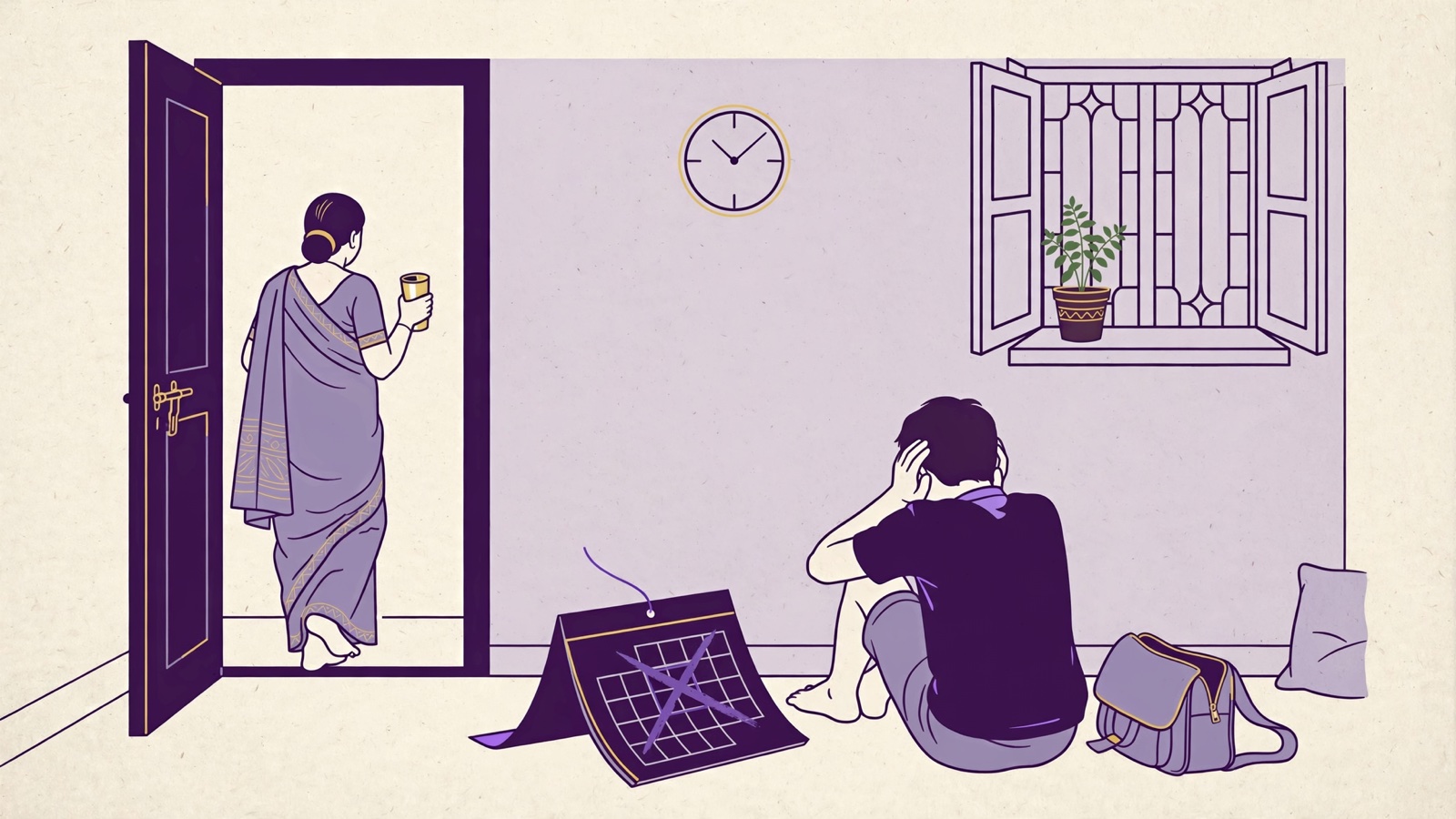
You've been parenting the behaviour (the floor, the sound, the refusal) while the actual event was a broken contract with time itself. Autistic nervous systems treat predictability as oxygen — a cancelled plan isn't disappointment, it's decompression-sickness. Once you parent the operating system instead of the output, the 'unmanageable' episodes start having instruction manuals.
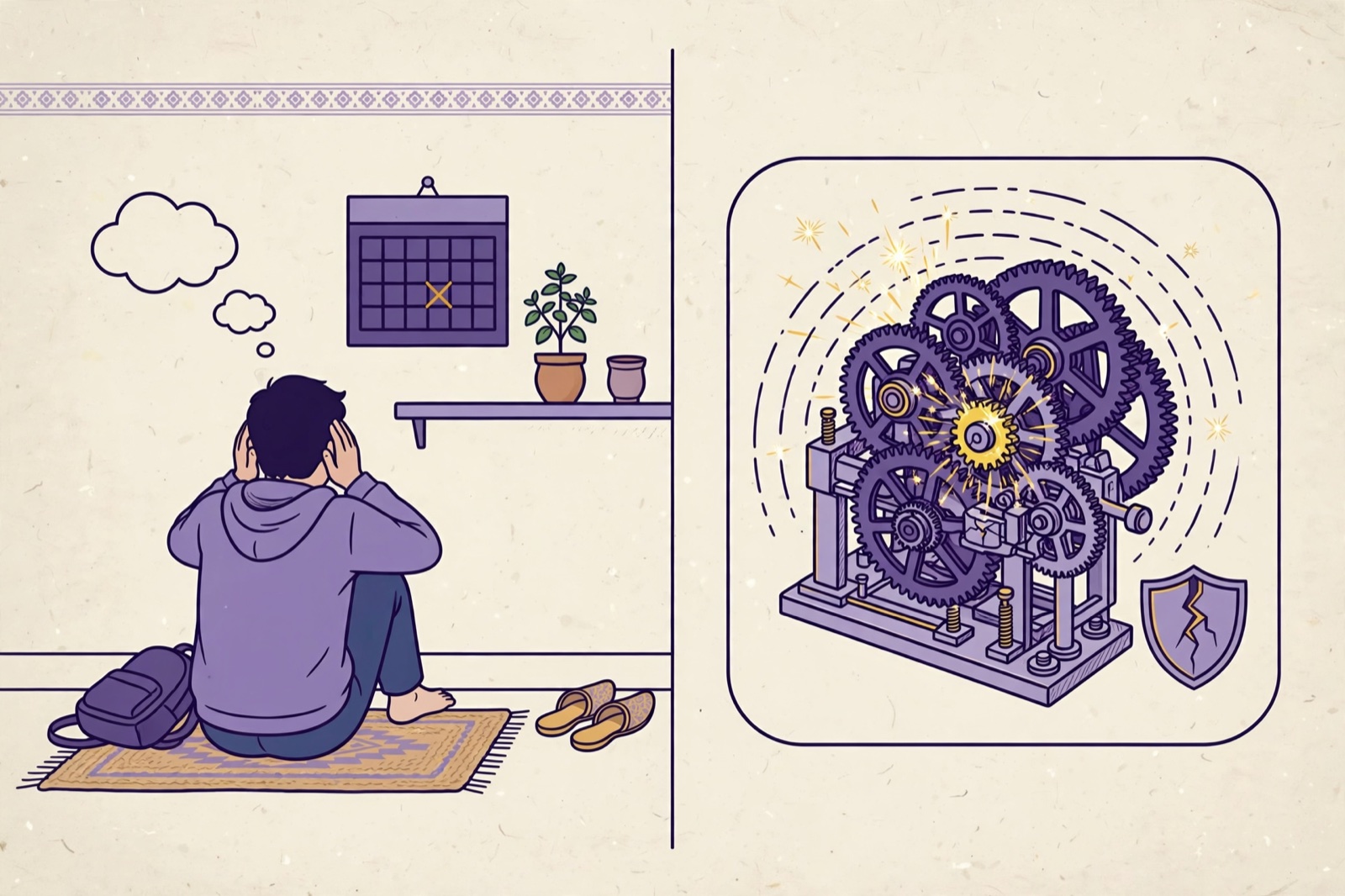
The Behavior Decoder
Translating what you see into what their nervous system is actually experiencing
"Full-body meltdown over a cancelled plan or changed routine (not a tantrum — no audience, no negotiation)"
My entire day was pre-loaded as a sequence. One swap invalidates the whole chain and my body dumps the overload physically because there's nowhere else for it to go.
"Blunt honesty that wounds people: 'Your cooking is bad today. Why are you crying?'"
I reported accurate data with zero social encryption. The encryption layer everyone else runs — softening, hinting, sparing feelings — isn't installed here.
"Won't look at you during serious talks; stares at the fan, fidgets, seems 'not listening' — then repeats you verbatim"
Eye contact costs processing bandwidth I need for parsing your words. Looking away IS how I listen hardest.
Prediction Brains and Expensive Surprises
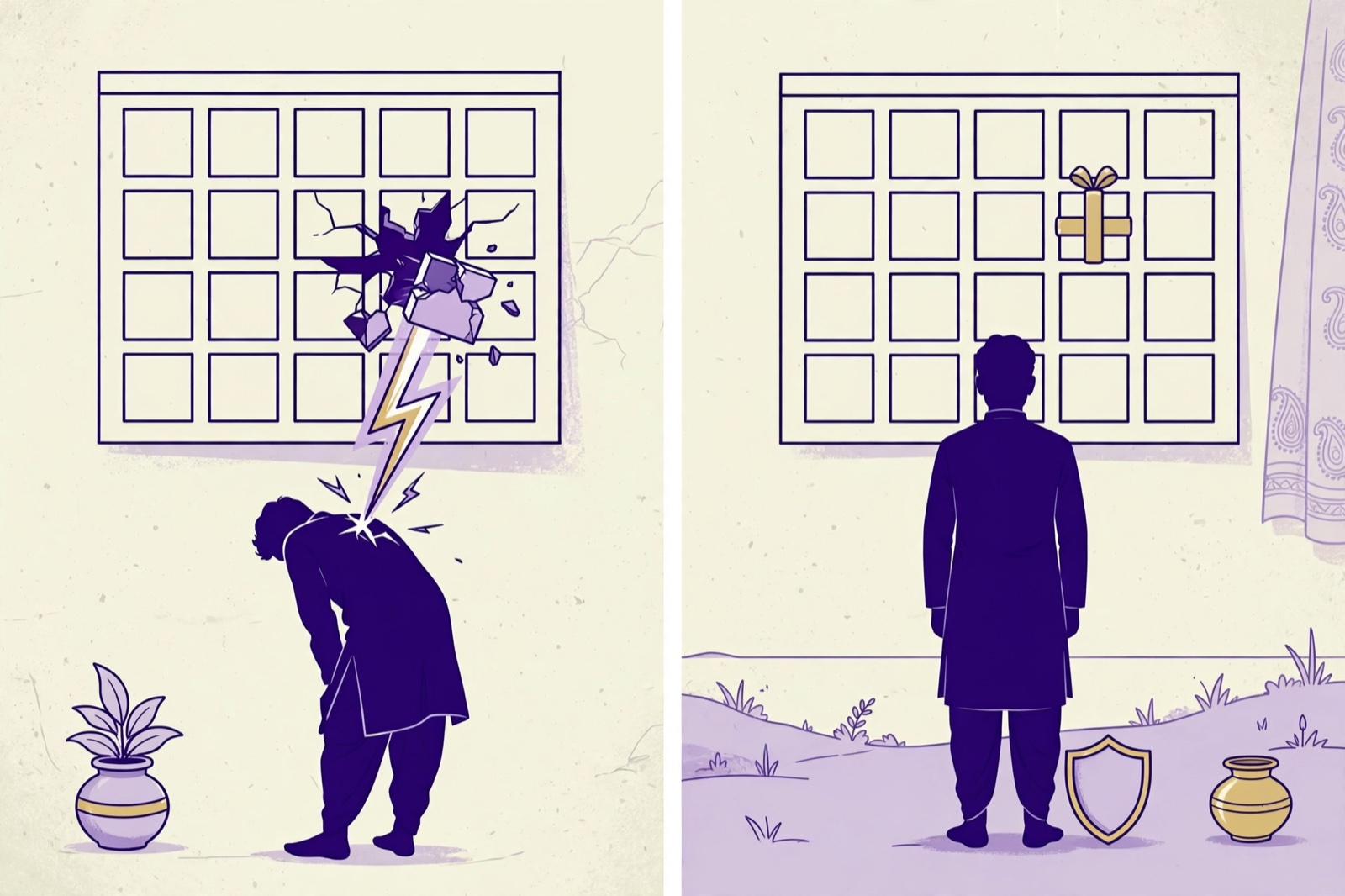
Autistic brains run unusually strong prediction machinery: the world is modelled in high detail, and deviations from the model register as large, costly errors rather than small updates. A neurotypical brain absorbs a cancelled plan for roughly the price of annoyance; a prediction-heavy brain pays something closer to system shock — the forty minutes on the floor is the system rebooting, not defiance performing. Same logic governs the rest: literal language (weak implied-meaning priors), sensory flooding (unfiltered input gains), shutdowns (circuit-breaker trips before damage). Parenting that reduces surprise — visual schedules, advance warnings, explicit rules — isn't indulgence; it's matching the hardware.
Natural Instincts That Accidentally Make It Worse
Every caring parent falls into these traps out of love, fear, or exhaustion. Here is what happens inside their nervous system and how to shift:
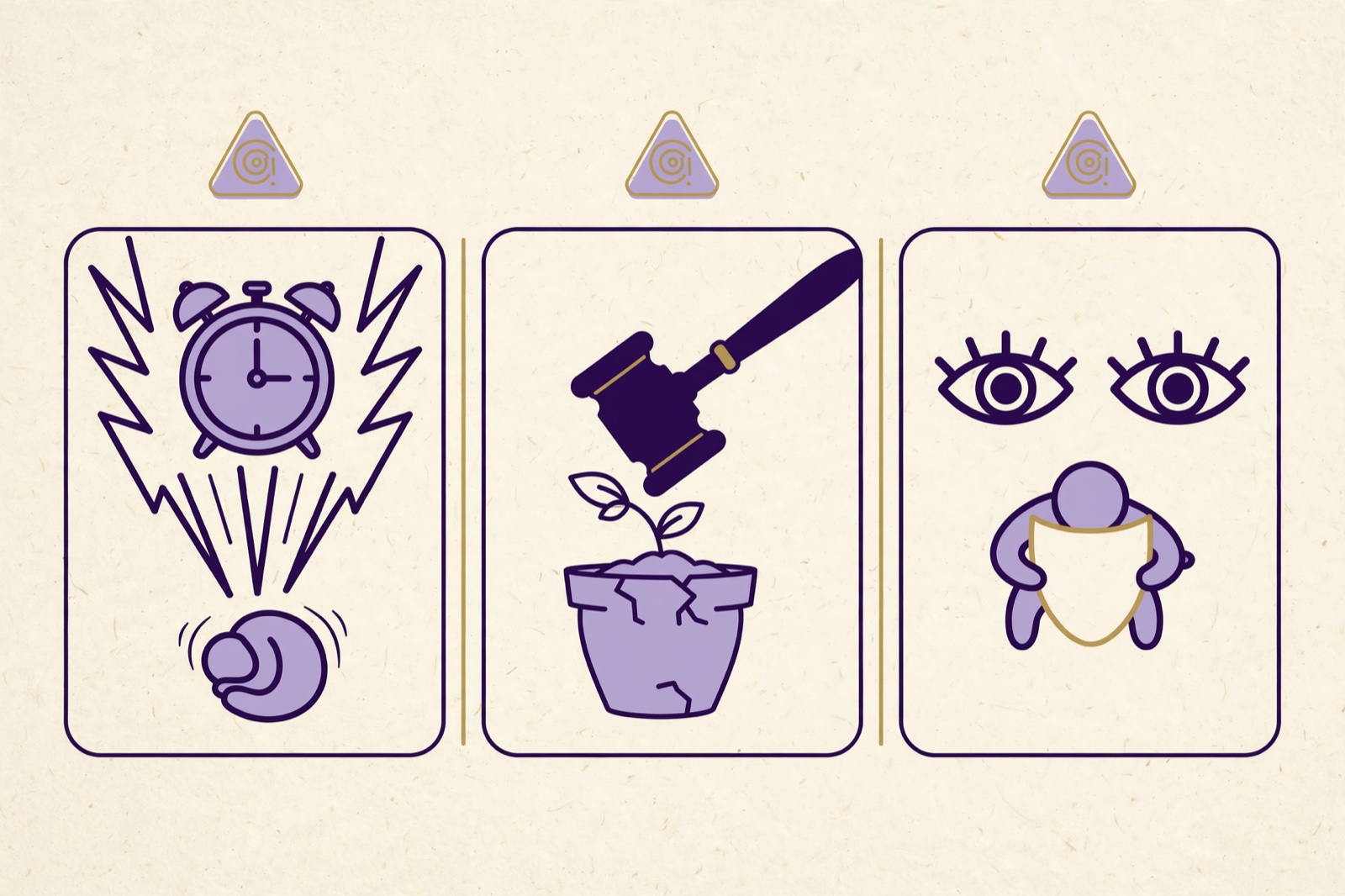
The Flexibility Curriculum
'Life won't always warn you! You must learn to handle sudden changes like everyone else.'
Therapy-by-ambush doesn't teach flexibility; it teaches that home is as unpredictable as everywhere else. The meltdowns escalate because the safe base stopped being safe.
Teach flexibility inside safety: warn, rehearse small changes deliberately, debrief after. Flexibility is a skill built on predictability, not its replacement.
Prosecuting the Neurology
Punishing bluntness, shutdowns, food-texture refusal, and stimming as rudeness or defiance.
Every consequence for neurology teaches masking — the exhausting performance of normal that predicts anxiety, depression, and burnout. You get compliance and lose the child.
Separate neurology from behaviour: stimming, bluntness, and shutdowns get accommodations; deliberate cruelty (rare, and clearly different) gets boundaries.
The Eye-Contact Tax
'Look at me when I'm talking to you. Show respect.'
Burns the exact bandwidth comprehension needs, so lectures land worse the harder you enforce the gaze. Respect gets performed; understanding gets lost.
Drop the gaze requirement entirely. Check comprehension instead: 'tell me back the plan in your words.' Verbatim recall is the real respect.
The Predictability Protocol
Four moves that convert your home from surprise-generator to safe base — without lowering a single real expectation.
Externalise Time (The Visible Week)
Move the schedule out of your head and onto the wall.
- A visible weekly board — school, meals, outings, visitors — updated the night before any change, never the morning of.
- Big deviations get 24-hour warnings minimum: guests, trips cancelled, festivals. The warning IS the accommodation.
- Let him own parts of the board (his columns, his colours). Predictability he controls beats predictability imposed.
Build the Meltdown Landing Pad
Meltdowns end faster where landing is safe and scripted.
- Designate the recovery spot together (his room corner, beanbag, weighted blanket, headphones) — never the punishment spot.
- Your role during: reduce input (lights low, voices off, no questions), stay nearby but undemanding, wait. No teaching mid-meltdown — the learning brain is offline.
- Debrief hours later, briefly: 'what tipped it, what helped, what do we change.' One tweak per incident, max.
Say It Literal (The Explicit House)
Stop hinting; start stating — kindly, completely.
- Replace implications with instructions: not 'would be nice if someone helped' but 'please lay out three plates now.'
- Name the hidden curriculum out loud: 'When guests compliment the food, the reply is thank you — that's the rule here.' Explicit social code is a gift, not condescension.
- Ask, don't assume, about sensory loads: textures, tags, noise, light. Adjust the environment before demanding endurance of it.
Protect the Special Interest (The Battery)
The 'obsession' is regulation, identity, and future career in one.
- Scheduled, respected interest time daily — protected like tuition, never used as leverage to confiscate.
- Enter it genuinely once a week: ask a real question, learn one fact. Shared interest is the highest-yield connection channel available.
- Channel it toward output (collections catalogued, videos made, skills built) — interests convert to competence faster than any syllabus.
What to Say Tonight: Word-for-Word Scripts
Save these to your phone or keep them in mind for your next interaction.
"'Heads-up with full warning: the bookstore trip moves from Tuesday to Thursday because guests are coming for lunch. I know Tuesday was bookstore day and I'm sorry the chain breaks. Want to pick what we do with Tuesday instead — your call.'"
Early, plain, seated nearby. No cheerleading the change.
Delivers the required 24-hour warning, names the broken contract honestly, and hands back agency over the replacement — the three things that prevent the floor episode.
"Say almost nothing. Dim the immediate input, sit at a distance, and wait. If one line is needed: 'I'm here. No rush. Breathe with the fan if you can.'"
Low, slow, physically settled yourself first.
Zero new input lets the reboot complete; your calm body is co-regulation data, not pressure. Teaching resumes hours later, never now.
"(Later, privately.) 'True and kind are two different jobs. The food note was accurate — and at the table the job is kind. The house rule: observations about people wait till we're alone together. Observations about things can come anytime.'"
Private, matter-of-fact, zero shame performance.
Separates neurology (honest reporting) from skill (timing), teaches the explicit code without prosecuting the trait, and keeps dignity intact.
Parent the operating system, not the output: predictability is medicine.
Early, plain, seated nearby
"Warn early, land softly, teach literally. The operating system is different, not broken."
The Underlying Psychological Mechanics
Masking: The Compliance You Should Fear, Not Praise
The clinical signal that matters: is the child regulated or performing? Regulated looks like stimming freely, declining honestly, recovering quickly. Performing looks like stillness with jaw clenched. Praise the first; investigate the second.
Predictability vs Rigidity: The Parent Confusion
When to Bring Professionals In
All Situations in Board Exams, Academic Pressure & ADHD
The Perfectionist Spiral (Crying Over 93%)
Terrified of making any mistake, chronic self-criticism, and tying their entire self-worth to report cards.
The Exam Panic & Physical Nausea Spiral
Physical sickness on test mornings, spiraling future dread, and test-taking paralysis.
Failing Grades & Academic Surrender
When marks drop, confidence collapses into 'I don't care anyway', and they give up on studying.
ADHD, Executive Lag & The Scattered Backpack
Lost books, chronic dopamine hunting, and why conventional nagging about homework never works.
Sensory Overwhelm & Social Masking Burnout
Exhaustion after school, sensory meltdowns at home, and navigating high-pressure environments.
Board Exam Season Survival (Class 10 & 12)
Three months of mock-test weather: how to be the calm parent the exam hall never provides.
Don't Try to Fix Everything Tonight. Just Start Here.
Parenting shifts happen in tiny, consistent micro-moments. Choose the resource that fits your immediate need:
Emotional Validation: Scripts for Shutdown Moments (Printable)
Validation scripts for shutdowns and meltdown recovery — what to say during, what to debrief after.
Check Your Teen's Hidden Need Profile
Answer 6 quick questions to discover the exact root driver behind your teen's specific behavior patterns.
Identity and Fitting In
Work 1-on-1 to reset your home environment, resolve chronic conflicts, and build lasting connection.
Cross-Chapter Recommended Guides
The Scattered Teen: ADHD, Executive Lag, and Why Nagging About Homework Never Works
When 'where is your homework?' has been asked 4,000 times and it still works zero times, the problem isn't memory or character. It's executive function — and scaffolding beats reminders every time.
The Exam Panic Teen: When Test Mornings Bring Nausea and Dread
When anxiety shows up in the body — morning nausea, headaches, blanking in the exam hall — your teen isn't faking illness. Understand the alarm circuit and give them a regulation protocol that works in minutes.