
Collaborative Family Screen-Time Agreement
Co-created digital wellness rules for parents and teens without daily arguments.
Part of the Tier 1 Clinical Area: Behaviour & Emotional Regulation Hub →
Interactive Clinical Worksheet
Saved in browser · 100% private
Collaborative Family Screen-Time Agreement
Part 1: The Household Digital Friction Audit & Sanctuaries
Co-created digital wellness rules for parents and teens without daily arguments.
Complete Page 1 together in a neutral, calm setting. Agree on physical sanctuary zones before debating time limits. Complete these first 3 steps to audit current friction and declare physical sanctuaries.
Identify exact physical rooms or shared family moments where NO member (including parents) touches screens.
Explicitly separate school/tuition screen hours from recreational gaming, YouTube, and social media browsing.
Write down the specific moments where arguments ignite (e.g., stopping mid-match, notifications during study).
Collaborative Family Screen-Time Agreement
Part 2: The Co-Authored Family Compact & Restorative Plan
Complete Page 2 to agree on automatic consequences, offline dopamine sources, and the 14-day review commitment. Both student and parents must sign.
If screen limits or sanctuary rules are breached, an agreed consequence activates automatically without lectures.
List 3 offline activities that provide genuine stress relief and fun when devices are docked.
Both student and parent sign. Agree to test this compact for 14 days and hold a 15-minute adjustment review.
At a Glance · Quick Protocol Summary & Key Search Answers
What Is The Collaborative Family Screen-Time Agreement?
A bilateral 2-page contract setting clear phone-free zones, daily academic vs. recreation limits, agreed consequences, and offline dopamine habits for the entire household.
During a calm weekend family meeting — never in the heat of an active tech argument.
- 1Designate 2 Household Device-Free Sanctuaries: Identify exact physical rooms or shared family moments where NO member (including parents) touches screens.
- 2Define Daily Academic vs. Recreational Screen Quotas: Explicitly separate school/tuition screen hours from recreational gaming, YouTube, and social media browsing.
- 3Document Current Friction Points & Triggers: Write down the specific moments where arguments ignite (e.g., stopping mid-match, notifications during study).
- 4Agree on Neutral Automatic Consequences: If screen limits or sanctuary rules are breached, an agreed consequence activates automatically without lectures.
- 5Select 3 Screen-Free Restorative Dopamine Outlets: List 3 offline activities that provide genuine stress relief and fun when devices are docked.
- 6Mutual Co-Signatures & 14-Day Review Commitment: Both student and parent sign. Agree to test this compact for 14 days and hold a 15-minute adjustment review.
Overview & Purpose
A bilateral 2-page contract setting clear phone-free zones, daily academic vs. recreation limits, agreed consequences, and offline dopamine habits for the entire household.
Who Can Benefit Most From This Worksheet:
- Families experiencing daily screaming matches over gaming and phone usage
- Teens feeling constantly policed, micromanaged, and mistrusted
- Parents struggling to balance essential online tuition with healthy sleep hygiene
Self-Determination Theory & Bilateral Behavioral Contracting
Unilateral tech bans trigger intense psychological reactance in adolescents, driving digital activity underground into late-night secrecy. When teens co-author boundaries and parents hold themselves accountable to identical household rules (e.g. no phones at the dinner table), mutual accountability replaces defiance and emotional dysregulation.
Core Psychological Principles:
How to Complete This Worksheet (Step-by-Step)
Follow each step in sequence. The sequence itself is the clinical method.
Designate 2 Household Device-Free Sanctuaries
Identify exact physical rooms or shared family moments where NO member (including parents) touches screens.
Practitioner Hint: The dining table during meals and bedrooms past 10:30 PM are the highest-impact clinical sanctuaries.
Define Daily Academic vs. Recreational Screen Quotas
Explicitly separate school/tuition screen hours from recreational gaming, YouTube, and social media browsing.
Practitioner Hint: Lumping homework screen time with entertainment causes endless confusion and resentment.
Document Current Friction Points & Triggers
Write down the specific moments where arguments ignite (e.g., stopping mid-match, notifications during study).
Practitioner Hint: Identify friction objectively without blaming each other. Friction points are system bugs to fix.
Agree on Neutral Automatic Consequences
If screen limits or sanctuary rules are breached, an agreed consequence activates automatically without lectures.
Practitioner Hint: Consequences must be predictable and matter-of-fact. Never tack on anger or retroactive punishment.
Select 3 Screen-Free Restorative Dopamine Outlets
List 3 offline activities that provide genuine stress relief and fun when devices are docked.
Practitioner Hint: Screens fill a stimulation void. If you remove the screen without an alternative, restlessness and irritation will spike.
Mutual Co-Signatures & 14-Day Review Commitment
Both student and parent sign. Agree to test this compact for 14 days and hold a 15-minute adjustment review.
Practitioner Hint: Contracts are living documents. Knowing there is a 14-day review makes it safe for both sides to try.
The Sharma Family Digital Peace Compact
Nightly fights about phone usage under blankets past midnight, resulting in Aryan waking up groggy and falling behind in school.
Sample Completed Responses:
Guidance for Parents & Caregivers
How to support your teenager through this exercise without triggering defensiveness, lecturing, or power struggles.
- •Model the rules yourself: put your phone in the hall dock by 10:30 PM too.
- •Give a 5-minute transition warning before dinner rather than shouting for immediate compliance.
- •Focus on whether the agreement is working, not on winning the argument.
- •Do not unilaterally change the rules or confiscate devices in a moment of sudden anger.
- •Do not mock the teen's chosen recreational games or online friendships.
Common Pitfalls & How to Avoid Them
Clinical Disclaimer & Emergency Mental Health Support
This worksheet is an educational instrument designed for self-reflection and coaching. It is not a substitute for clinical psychiatric care, crisis intervention, or a formal diagnostic evaluation. If you or a teenager is in acute psychological distress, connect with trained professionals:
Frequently Asked Questions
Clinical References & Scientific Citations
- Ryan, R. M., & Deci, E. L. (2017). Self-determination theory: Basic psychological needs in motivation, development, and wellness. — Guilford Publications (2017)
- Twenge, J. M., & Campbell, W. K. (2018). Associations between screen time and lower psychological well-being among children and adolescents. — Preventive Medicine Reports (2018)
Need help negotiating sustainable digital boundaries?
Explore our Screen Sanity family consultation with Rishi Raj.
Related Worksheets & Tools
Evidence-based developmental and clinical tools for students, parents, and schools.
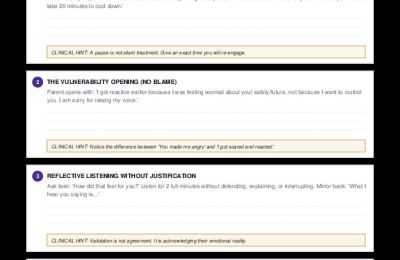
Parent-Teen Communication & Conflict Repair Script
De-escalate power struggles and repair emotional disconnect without defensiveness.
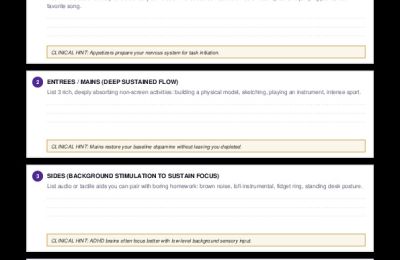
ADHD Dopamine Menu & Energy Restorer
Replace doom-scrolling with quick appetizers, deep mains, and gentle sides.