
Silence, Grunts & The Closed Door
The Sudden Push-Away: When Your Affectionate Daughter Treats You Like the Intruder
She cringes at hugs, flinches at your questions, and guards her room like a fortress. And the worst of it, you can feel, she used to run into your arms.
Co-Regulation & Attunement
Testing adult boundaries to verify that the parent remains calm, sturdy, and emotionally regulated when they spiral.
The Rejection Eulogy
Each grief-speech converts distance into guilt, and guilty teenagers practice distance harder.
"No hug tax tonight. I'm around — holler if you want company or chai."
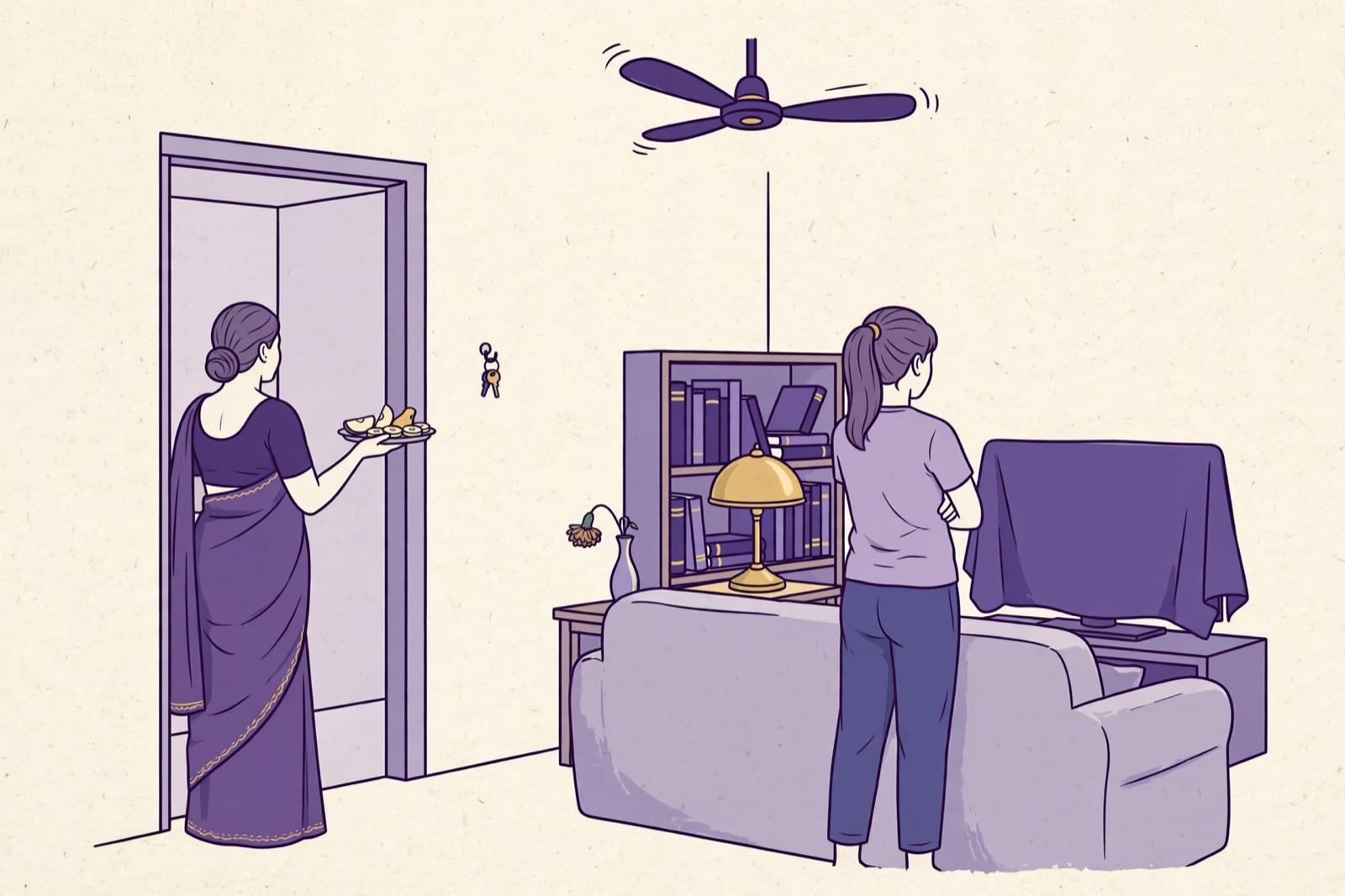
"You go in to say goodnight — the same hug that's ended every day of her life since she was three."
"Tonight her shoulders go stiff before your arms even land. She turns her whole body toward the wall. 'Stop. I'm not a baby.' The words come out flat, weapon-flat — not angry, and somehow worse than angry."
"You stand there with your arms half open in the dark room, and by the time the door closes you're in the corridor doing quick math on everything you've done wrong since August. You knock the next night. It gets worse."
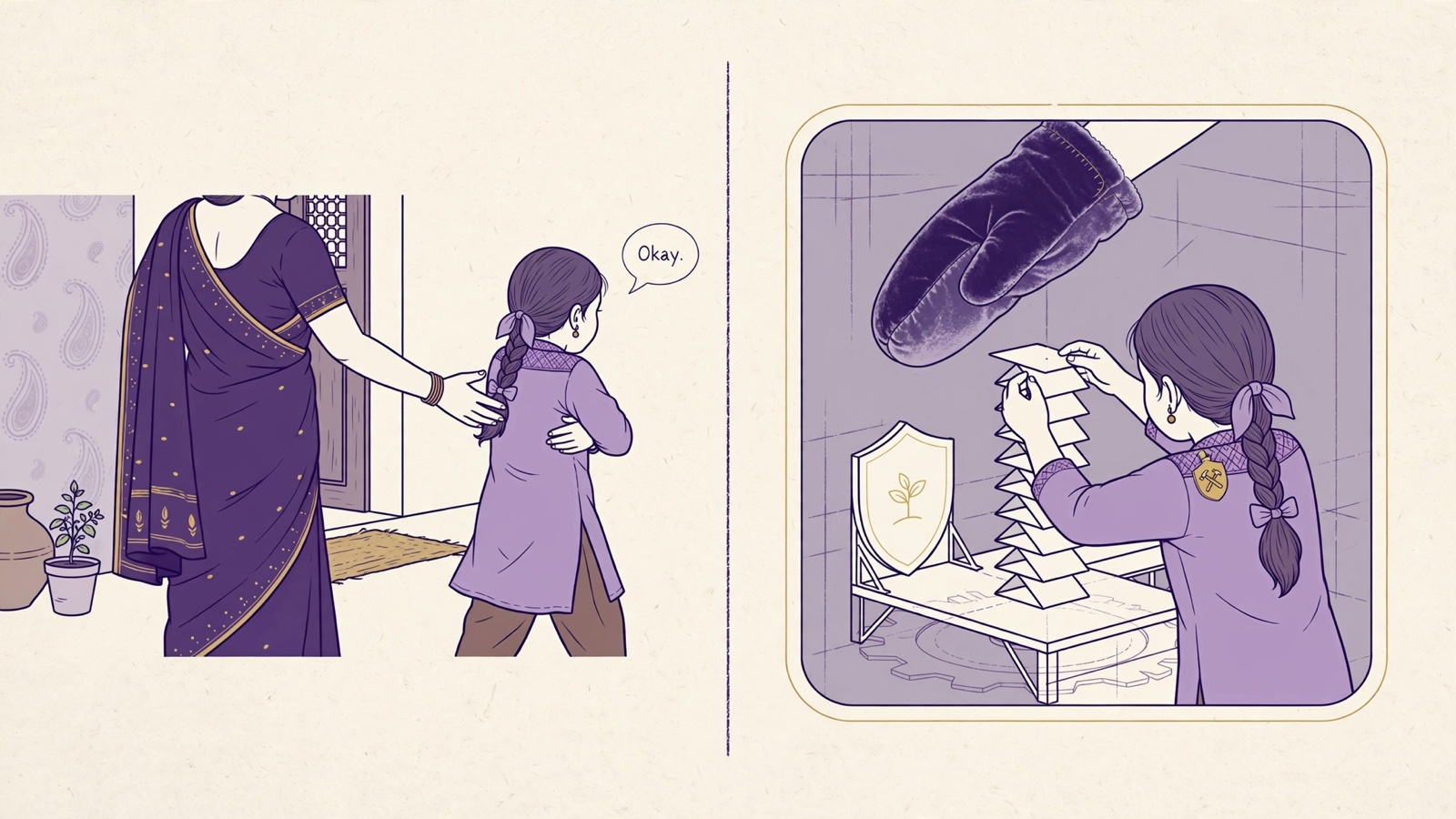
The girl who used to race you to the door isn't gone — she filed you under 'childhood' and is frantically building a separate 'me'. The push-away isn't a verdict on your parenting; it's a construction site with terrible signage. Chasing the hug feeds the wall; building side-by-side company dissolves it.
The Behavior Decoder
Translating what you see into what their nervous system is actually experiencing
"'Stop. I'm not a baby.' — body turned away mid-hug, shoulders braced"
If I melt into your hug right now I feel eight again, and I'm spending every drop of energy today proving I'm not eight. Physical warmth reads as regression, not love.
"One-word answers at dinner, elaborate detail on the phone with her friend five minutes later"
I'm rationing vulnerability. Friends get the real me because friends don't get a permanent vote on my decisions. Parent-questions feel like deposition prep.
"'You wouldn't understand. Forget it,' shrug when she started telling you something good"
The moment I heard my own story out loud I panicked — if you ask one real question I might cry in front of you, and today I can't afford that.
Differentiation Pressure: The Second Separation
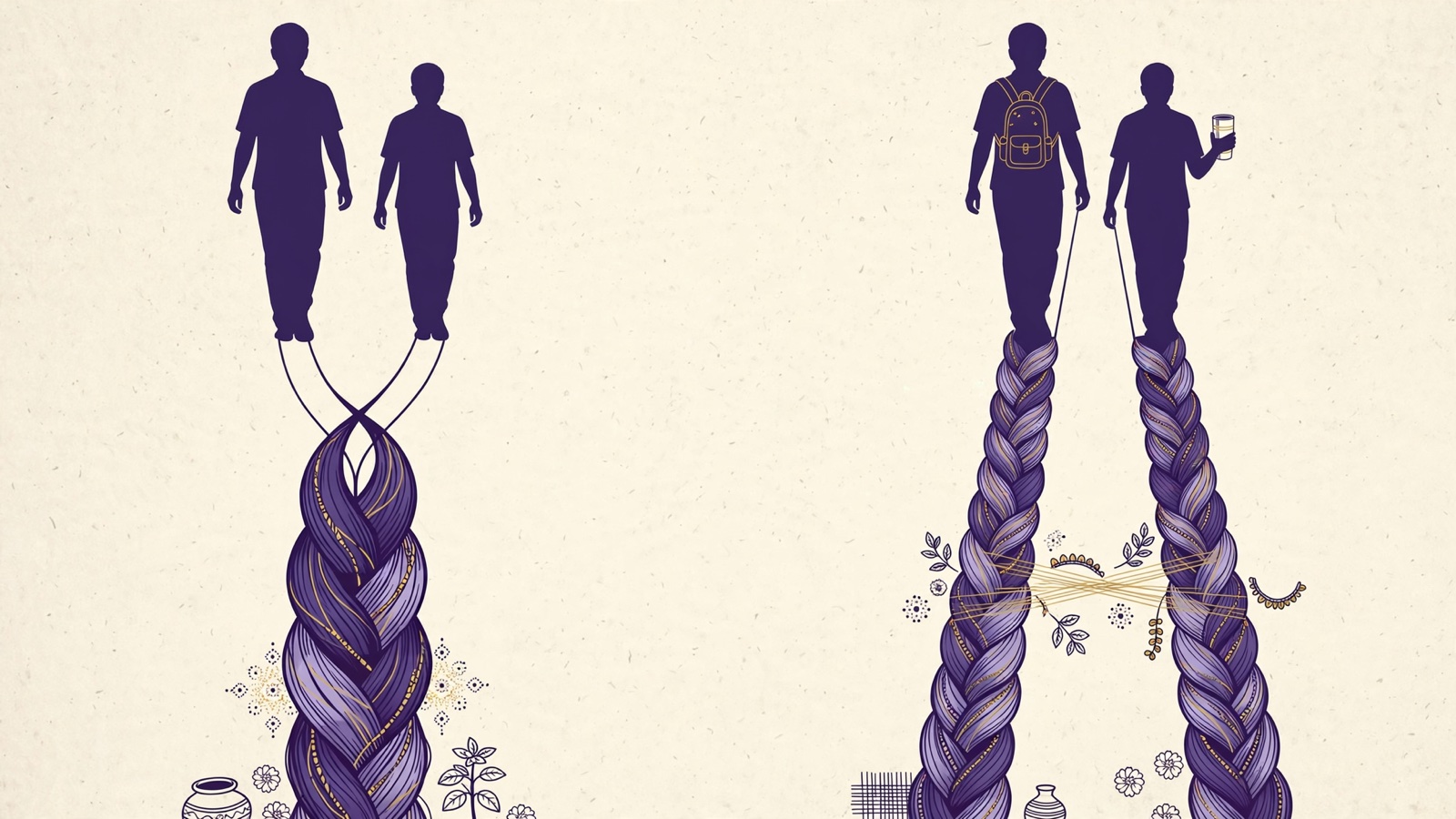
The first individuation happened at age two with the famous 'NO'. The second arrives at 13–15 and is far more theatrical: the teen must build a separate identity, and the fastest way to prove separateness is distance from the person she's most fused with — you. The cringe is literally biology reassigned: touch circuits that used to read as 'home' now trigger threat-evaluation ('I am being made small again'). Warmth from parents feels infantilising in exactly the window she needs to feel big. So families land in the paradox: the safest home produces the most dramatic push-away, because safety is where the riskiest separation work gets rehearsed.
Natural Instincts That Accidentally Make It Worse
Every caring parent falls into these traps out of love, fear, or exhaustion. Here is what happens inside their nervous system and how to shift:
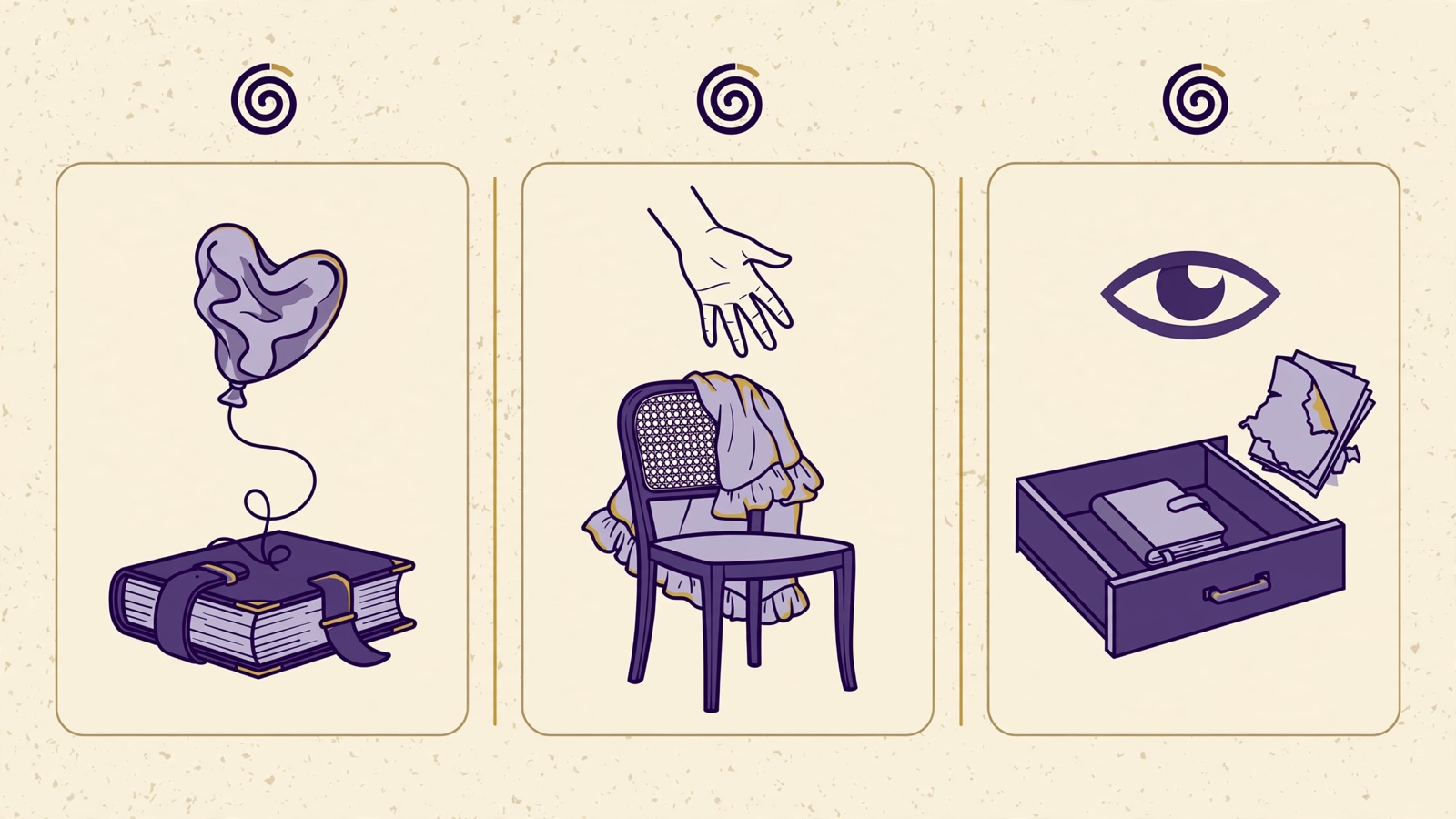
The Grief Lecture After Rejection
'What happened to my sweet girl? You've changed, and it breaks my heart.'
Hands her the script that leaving-you is hurting-you — so every future distance now carries a guilt tax, and she practices distance harder to reduce the tax.
Grieve privately with a friend, spouse, or journal. For her: 'I'm around — holler if you want company or chai.' One sentence, zero cargo.
The Hug Ambush
Chasing physical contact — surprise hugs from behind, pulling her in while she squirms.
Turns touch into an ambush and teaches her body that your affection means restraint. Each squeeze costs you a month of closeness.
Let her set all physical terms. Trade hugs for parallel presence that asks nothing: same sofa, both reading, elbows near. Affection without contact is real affection.
The Friend Audit
'Who was that on the phone? What did she say? Are you keeping secrets now?'
Confirms her theory that parent-questions are surveillance with a hug wrapper. The phone becomes a battleground and the friend-group goes underground.
Treat friends with complete, boring neutrality: 'Fun chat?' asked once, then moved past. Her social world joins the no-surveillance treaty.
The Side-by-Side Return Protocol
Stop asking for closeness from the front. Rebuild it from beside — where no child feels small.
Deploy the Two-Minute Parallel Sit
Same surface, zero agenda, twice a week minimum.
- Choose a spot she can't easily flee as 'confrontation': car rides, waiting rooms, both making tea side-by-side, staircase landings.
- No questions, no eye contact, no topics. Phone in your pocket. Comment only on the shared present: 'Too much masala in this batch' — then leave a beat.
- The bar is attendance, not conversation. Two minutes of shared quiet rebuilds more contact than a week of 'how was your day?'
Request Nothing; Offer One Thing
Invert the vector — you approach with a gift, not a grab.
- Daily one-liner offers with genuine opt-out: 'I'm heading for a walk, slot's open if you want' — then go walking regardless.
- Share micro-vulnerabilities about YOUR day in one line — 'my presentation flopped, still salty' — demonstrating that sharing is safe because you just did it.
- Never ask a follow-up disguised as support: no 'You can tell me...' trailers.
Build a No-Knock Treaty for Her Domain
Make the room sacred and watch the push-away lose its fuel.
- Knock-and-wait always. Text instead of barging. Closed door = 'I'm editing myself', and you say so out loud once: 'Your room rules are yours.'
- Withdraw parallel: stop auditing what's IN the room (clothes, mess, posters, friends on speaker). Domain over dignity is the whole economy now.
- The cheeky bit: compliance you're modelling here — respecting HER boundary — is the exact skill she will use on peer pressure later.
Rediscover the One Shared Activity
One recurring hour where age disappears for both of you.
- Pick something genuinely side-by-side: cooking one dish weekly, a serial you both hate-watch, a evening walk route, volunteering, badminton.
- Protect the slot like a prescription: same time weekly, non-negotiable but low-drama if skipped ('next week then').
- Ban lessons during the activity. This hour is the relationship's oxygen tank — don't breathe speeches through it.
What to Say Tonight: Word-for-Word Scripts
Save these to your phone or keep them in mind for your next interaction.
"'Got it — no hug tax tonight.' (Step back with a half-smile.) 'Sleep well. Room's yours, door business intact.'"
Light, unhurried, one step back you take voluntarily. Zero sadness theatre.
Names the boundary with humour instead of grief, proves instantly that touching-you is not participation-required, and the voluntary step-back is worth ten forced hugs.
"Say absolutely nothing about the contrast. Later: 'Nice to hear you laughing earlier. Phones have the good gossip contract, we get the dinner contract.'"
Amused, not wounded, said while doing something else.
You noticed her happiness and credited it — to her face. Asymmetry goes unnamed, so it stays harmless chatter instead of becoming a loyalty trial.
"'Parked. No questions, no chase. If you unpark it later, I'm your person — same rules as before.' Then carry on doing whatever you were doing."
Gentle anchor of a voice; then immediate busy-with-my-own-thing lightness.
Honours the shutdown (dignity), leaves the door numbered (trust), and removes every incentive for her to test whether telling-you is survivable.
Front-door closeness is over; side-by-side company is the new treaty.
Light, unhurried, one step back you take voluntarily
"No hug tax tonight. I'm around — holler if you want company or chai."
The Underlying Psychological Mechanics
Why the Safest Homes Get the Coldest Door
The risk only converts into real estrangement when parents stare at the gap. Chasing — more questions, more hugs, more audits — confirms her suspicion that presence costs freedom. Space confirms she can be both separate and loved. Most push-aways soften the month the chase stops; the hard cases soften the quarter.
The Hug Is Not the Metric
And the hugs do come back. They return on her schedule, unprompted, usually mid-crisis or mid-joy — the moments you're proudest you stayed unenforced.
When It Isn't Developmental
All Situations in Silence, Grunts & The Closed Door
The Closed Bedroom Door (One-Word Grunts)
Coming home from school, heading straight to their room, and answering only in 'fine' or 'nothing'.
The Sudden Push-Away & Emotional Cold Shoulder
When a once-affectionate teen suddenly pulls away, cringes at hugs, and treats your presence like an intrusion.
The Isolated Teen (No Friends & Weekend Loneliness)
Spending entire weekends alone in their room, excluded by peer groups, and struggling with school dread.
Don't Try to Fix Everything Tonight. Just Start Here.
Parenting shifts happen in tiny, consistent micro-moments. Choose the resource that fits your immediate need:
Emotional Validation: Scripts for the Shut-Down Teen
Printable validation scripts for when your daughter shuts down — what to say, what to park, and the one sentence that ends tonight's loop.
Check Your Teen's Hidden Need Profile
Answer 6 quick questions to discover the exact root driver behind your teen's specific behavior patterns.
Open The Line
Work 1-on-1 to reset your home environment, resolve chronic conflicts, and build lasting connection.
Cross-Chapter Recommended Guides
The Silent Teen: How to Open the Door When You Only Get One-Word Answers
When your teenager retreats behind closed doors and responds in grunts, interrogating them only pushes them further away. Understand the Sensory Sanctuary driver and the exact side-by-side script that breaks the silence.
Connect Before You Direct: The Golden Rule of Adolescent Cooperation
Commands without connection feel like threats to an adolescent's developing autonomy. Discover the 2-minute rapport protocol that ends morning screaming matches and evening homework battles.